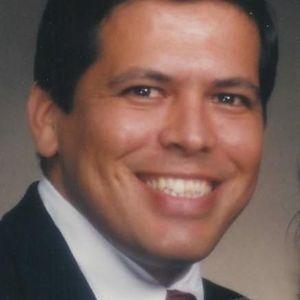
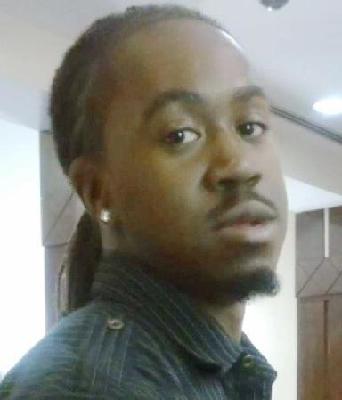
Andrew Martin-Jimenez, a 19-year-old male from San Antonio, was killed in the early hours of April 21, 2018, in a burst of gunfire outside his home on the city’s South Side. What emerged from local reporting was a chaotic and fast-moving scene that stretched across two locations. Police were first called to the area of Interstate 35 and Highway 16, where they found an SUV riddled with bullet holes.
Inside or near that vehicle were two young men: one, age 20, had been shot in both arms and was taken to a hospital in stable condition, while the 21-year-old driver was detained at the scene. About five miles away, in the 1400 block of Villeret Boulevard, officers found Andrew on the sidewalk in front of his home, dead from gunshot wounds. Authorities said the men in the SUV had driven to that block and were talking with Andrew when an argument broke out and guns were drawn. According to police, Andrew and the two men in the SUV pulled weapons on each other and began shooting, though investigators said at the time they had not determined who started the gunfire.
The human side of the story came into focus through his mother, Paula Martin, who said she was inside the house when the shooting erupted and took cover in the kitchen. When it was over, she found her son unresponsive. In her grief, she described him as someone who was not perfect but was still deeply loved, a young man she believed had fallen in with the wrong crowd. She also cast doubt on part of the police account, saying she believed one of Andrew’s friends was the person who fired at the SUV and that the friend left before officers arrived. She further said that when Andrew’s body was turned over, no weapon was found on him. That left a painful gap between the official early theory of a mutual gun battle and a mother’s insistence that her son may not have been armed when he fell. The case, as publicly described in the first wave of coverage, carried that uncertainty from the beginning: an argument in the darkness, multiple shooters, a wounded survivor, and a dead 19-year-old left in front of his own home.
As for suspects, arrests, and the legal aftermath, the available public reporting located online is thin. The contemporaneous news coverage identified the wounded 20-year-old and the detained 21-year-old only by age, not by name, and it did not report murder charges, an arrest announcement, or a later prosecution tied to Andrew Martin-Jimenez’s death. Public-facing county resources confirm where criminal records can be searched, but in the online reporting surfaced here, there was no clearly documented follow-up naming a suspect, detailing an indictment, or showing a conviction in this case. Based on the sources available online, the most supportable description is that investigators treated the shooting as a gunfight sparked by an argument, but no publicly reported arrest or court resolution was readily found in connection with Andrew’s killing.