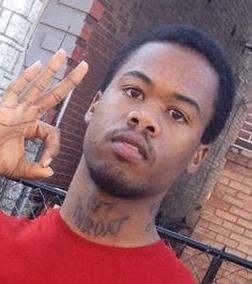
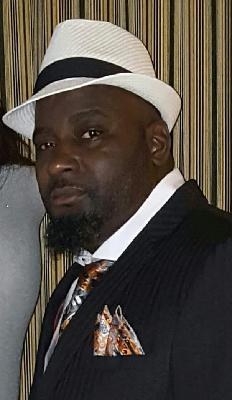
In the winter of 2015, the life of 18-year-old Antoine Norman, a Black / African American male, was tragically cut short on the streets of St. Louis, Missouri. On the evening of January 19th, Norman was found with multiple gunshot wounds. Despite the arrival of emergency responders, his injuries were too severe, and he was pronounced dead at the scene. Friends and family remembered the young man, who was born on June 16, 1996, as a cherished member of his community.
The St.
Louis Police Department launched an investigation into the homicide, believing it to be a targeted attack, with potential connections to local gang activity. Detectives worked to piece together the events of that fatal evening, gathering witness testimonies and reviewing surveillance footage from the area. Through their initial efforts, they were able to identify several individuals as possible suspects in the shooting.
However, the investigation soon encountered significant obstacles. A pervasive climate of fear and a reluctance for witnesses to come forward hampered the police department's ability to build a solid case. The lack of cooperative witnesses and the scarcity of concrete evidence created a challenging path for law enforcement officials. Despite their commitment to bringing those responsible to justice and providing closure for Norman's grieving family, no immediate arrests were made in connection with his murder. The case, like many others in communities grappling with violence, highlighted the profound difficulties in securing convictions without community cooperation. As of now, the individuals seen fleeing the scene have not been publicly identified or apprehended, and the case remains unresolved.