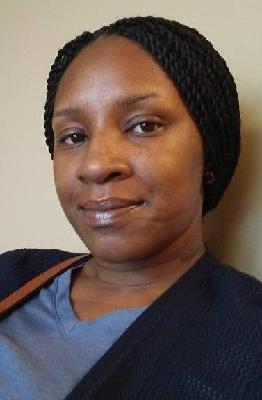
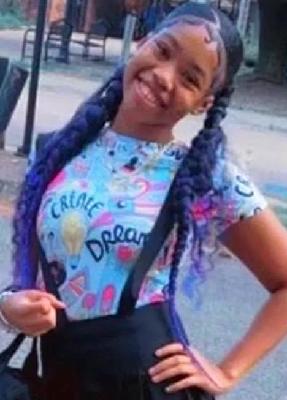
Nora Ann Crawley, 39, was last moving through ordinary plans in West Tennessee when her life ended in violence, her death recorded as May 31, 2011. In the first days of June, her body was discovered off Aaron Long Road near the Madison County Landfill, a lonely stretch where two men leaving the landfill noticed what no one should ever have to find.
Investigators used fingerprint comparisons to confirm her identity, and early reports described the case plainly as a homicide, with authorities urging anyone who knew anything to come forward.
As the news settled over her family, what they did not know became as heavy as what they did. In later interviews, relatives said she had been trying to rebuild her life and was preparing for a family milestone when she disappeared. They described the dread of hearing about an unidentified body near a landfill and recognizing, almost instantly, that it might be hers. They also spoke about how little information they felt they received afterward—especially about how she died—saying they were left to piece together fragments from rumor and secondhand comments rather than clear official answers.
Investigators, meanwhile, were working a case that leaned hard on forensic evidence. Officials said DNA was collected from the scene, but analysis took time, in part because the state lab system faced backlogs. Months after the discovery, local officials publicly acknowledged they were waiting on DNA results they believed could move the investigation forward, holding out the idea that science might do what interviews and leads had not yet accomplished.
By March 2012, the Madison County Sheriff said investigators had used DNA evidence from the scene to identify a person of interest. The sheriff did not release the person’s name, but stated the individual was already in custody with a very high bond and, according to the sheriff, was being held on additional rape charges. The sheriff also said the case file had been turned over to the attorney general’s office for review, signaling a possible path toward prosecution, even as the public still lacked the basic details families often cling to—an officially stated cause of death was not made public in that reporting.
Yet even with that announcement, the case carried the ache of unfinished sentences. In 2013, Crawley’s family was still asking for help, still pleading for someone to speak up, and still describing a fear that the person who took her life might remain out there in the world, untouched by the justice system. Their grief was not only for what happened, but for the silence around why it happened—and for the long stretch of time in which the answers felt close enough to reach, yet never quite arrived.