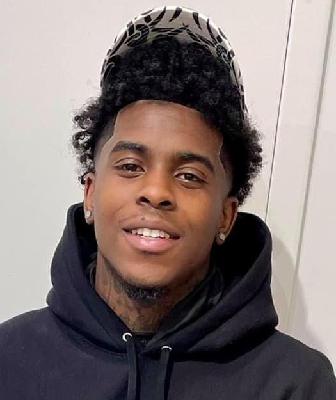
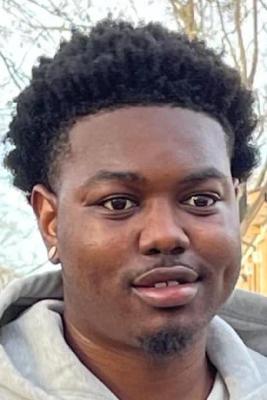
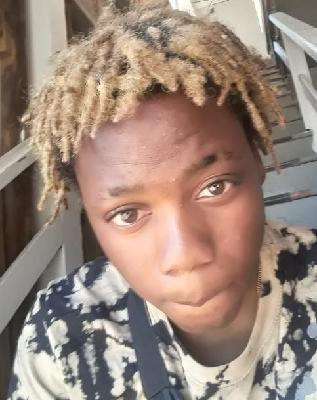
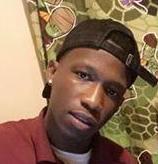
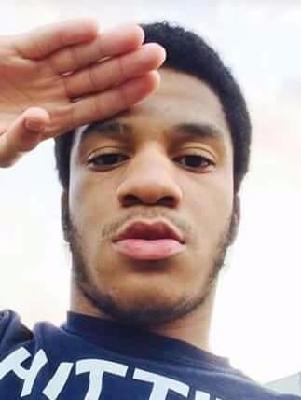
Antaeus Colbert, a 26-year-old Black man, died on June 2, 2018, in Memphis, Tennessee. In the days that followed, his name moved through the city the way sudden violence does—first as a stunned announcement, then as a funeral notice, then as a case that people kept circling back to because the ending never felt settled.
Accounts tied to the investigation placed the killing near a busy stretch around Airways Boulevard and Lamar Avenue, described as occurring near an AutoZone parking
lot. The setting—a public lot beside a commercial corridor—made it the kind of scene where life keeps moving even while a family’s world stops, leaving a thin line between ordinary errands and the moment everything went wrong.
Not long after Colbert’s death, attention swung hard toward a teenage suspect: Oshay Sims, who was taken into custody that same day. A short documentary project later described how Sims remained in custody for hours and then confessed after nearly seven hours, while also emphasizing that what happened inside the interrogation room was not recorded, leaving the public unable to see how the confession was obtained. For a time, that confession stood in for answers—an apparent resolution that, on paper, can look like closure even when the truth underneath is still shifting.
But the story did not hold. Reporting about Memphis defense attorney Kamilah Turner described Sims’ confession as false and said there was no audio or video record of the interrogation; the same account said Sims spent more than a year in jail before Turner was able to prove his innocence. After he was released, he died in a car accident about two months later—an abrupt second tragedy that left the case carrying not only one death, but the long shadow of a prosecution that, according to those accounts, targeted the wrong person.
What remains in the public record from these sources is a case defined by grief and uncertainty: a young man dead, an early confession that later came undone, and a community debate about what justice is supposed to look like when the system’s first answer turns out to be unreliable. These sources describe Sims being taken into custody and confessing, but they do not describe a final conviction for Colbert’s killing after Sims’ name was cleared, leaving Colbert’s death hanging as a wound that never neatly closed.