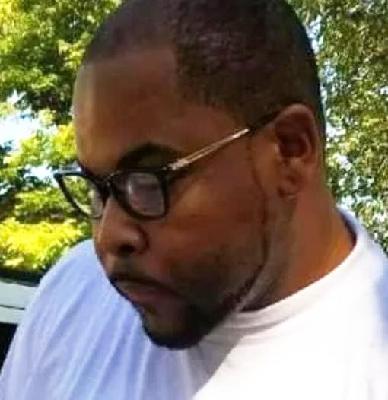
A man is found shot to death in Minneapolis
On May 11, 2007, a life was tragically cut short in Minneapolis, Minnesota. Jose Ardo Calix, a 43-year-old man, was killed in the city, his death becoming another grim statistic in a year marked by violence. His case remains an unsolved homicide, leaving a void for those who knew him and a lingering puzzle for law enforcement. With no publicly available information about who Jose was—his family, his work, his passions—all that remains is the cold, hard fact of his unsolved death.
The city of Minneapolis, known for its vibrant arts scene, lush parks, and winding waterways, was grappling with a significant level of violent crime in 2007. By the middle of June that year, just a month after Mr. Calix was killed, the city had already recorded 25 homicides. The Minneapolis Police Department, the agency responsible for investigating these crimes, faced the immense challenge of bringing justice to the victims and their families. Each case represented a unique tragedy and a complex investigation, demanding countless hours of detective work, forensic analysis, and community outreach.
For a homicide investigation to be successful, cooperation from the public is often crucial. In many instances, a single tip or piece of information from a witness can be the key to breaking a case open. However, investigators often face hurdles in gathering such information. Fear of retaliation or a general distrust of law enforcement can create a wall of silence, making it difficult to identify suspects and build a case. In 2007, Minneapolis leaders publicly acknowledged these challenges, with the mayor and police chief making appeals for community members to come forward and help solve these violent crimes.
The period between 2007 and 2011 saw a total of 179 homicide cases opened by the Minneapolis Police Department. Of those, approximately 65 percent were eventually closed, meaning a suspect was arrested and charged. This left dozens of cases, like the death of Jose Calix, to go cold. These unsolved files represent not just statistical data but profound and ongoing tragedies for the families left behind. They navigate a world without their loved one, burdened by the heavy weight of unanswered questions about their final moments.
The investigation into the murder of Jose Calix is now considered a cold case. These are some of the most difficult investigations for any police department. As years turn into decades, memories fade, witnesses can become harder to locate, and physical evidence may degrade. Yet, for the detectives in the Minneapolis Police Department's homicide unit, these cases are never truly closed. They remain open, awaiting the day a new lead, a new witness, or a technological advancement in forensic science can provide a breakthrough.
For the family and friends of Jose Ardo Calix, the passage of time has not brought closure. His death on that spring day in 2007 remains a mystery, his killer never having been held accountable. The case is a quiet but persistent reminder of the human cost of unsolved violence. As of today, the investigation into who killed Jose Calix and why remains open, one of many cold cases in the city of Minneapolis awaiting a piece of information that might finally bring answers and a measure of justice.