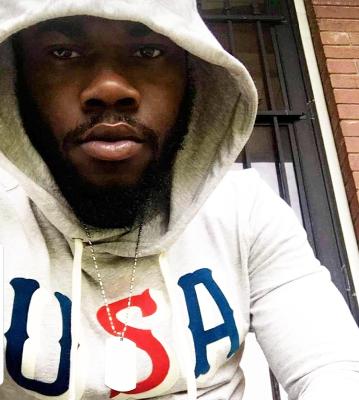
Terrance Dwight Lewis Jr., an 18-year-old male from Chester, Pennsylvania, died on December 24, 2010, a Christmas Eve that should have been filled with family, warmth, anticipation, and the quiet joy of the holiday season. Instead, it became the day his loved ones were forced to begin grieving a young life taken far too soon. Terrance was known affectionately as “Tee,” a name that suggests the closeness and familiarity of the people who loved him.
He was not just a name connected to a date or a place. He was a son, a brother, a grandson, a relative, a friend, and a young man whose life still mattered deeply even after the public record grew quiet.
Terrance was born on January 5, 1992, to Wanda Blackwell Lewis and Terrance Dwight Lewis Sr. He had connections to the Penn Wood and Chichester school districts and also attended Glen Mills School, where he was remembered for excelling in track and field. That detail offers a glimpse of who he was beyond the tragedy: a young man with movement, energy, and promise. Track and field requires discipline, endurance, focus, and the ability to push forward even when the body is tired. For those who knew Terrance, those memories likely hold far more meaning than any brief public mention could capture. They point to a young man with talent, potential, and a future that others could still imagine for him.
His death in Chester on December 24, 2010, was later included among gun-related deaths recorded from that day. The available online information does not provide a full description of the shooting or the moments that led to it. What remains publicly visible is painfully incomplete: a young man died, a family mourned, and another act of violence became part of the broader grief carried by Chester and Delaware County during a difficult year. In 2010, Delaware County saw a rise in murders, with Chester facing repeated gun violence. Terrance’s death became one more heartbreaking loss in a community already strained by violence, but for his family, he was never just one more loss. He was their Terrance. Their Tee.
The date of his death makes the loss especially haunting. Christmas Eve is often associated with reunion, reflection, faith, tradition, and togetherness. Families gather. Homes light up. People prepare for the morning ahead. But for Terrance’s family, December 24, 2010, became forever marked by shock and sorrow. The holiday season, which may once have brought comfort, became tied to the memory of the day they lost him. Every year afterward, as others celebrated, his loved ones likely carried the weight of an absence that could not be filled by time, ceremony, or kind words.
Terrance’s obituary focused not on the violence, but on the people left behind and the life that had been lived. It named family members, relatives, and friends who were forced to say goodbye to someone who should have had many more years ahead of him. Obituaries often become the last public space where a family can speak with tenderness about someone they loved. In Terrance’s case, that remembrance preserves the truth that he was surrounded by people who cared about him and whose lives were changed by his death.
No reliable online source located from the available information identified a suspect or suspects in Terrance Lewis’s death. The public record also does not show an arrest connected specifically to his killing. There were no accessible details found about charges, a trial, a conviction, or sentencing tied to the December 24, 2010 shooting in Chester. If an investigation produced answers, they are not clearly reflected in the online sources available for this synopsis. That silence leaves a painful gap between the fact of Terrance’s death and the accountability his loved ones may have hoped to see.
The absence of publicly available arrest or conviction information does not lessen the importance of Terrance’s life or the seriousness of what happened to him. It only deepens the sense of unfinished grief. When a young person is killed and the public record offers no clear explanation of who was responsible or whether anyone was held accountable, the loss can feel suspended in time. Families are left not only with sorrow, but with questions. Communities are left with another name remembered in private more fully than it was ever answered for in public.
Terrance Lewis Jr. died before he could grow into the full measure of who he might have become. At 18, he was standing at the edge of adulthood, with his childhood behind him and his future still unwritten. Those who loved him were left to remember his voice, his presence, his personality, his athletic ability, his family ties, and the ordinary moments that became precious only after he was gone. His story, as preserved online, is not complete. But even in its incompleteness, it speaks to a devastating truth: a young man from Chester was taken on Christmas Eve, and the people who loved him were left to carry his memory forward.