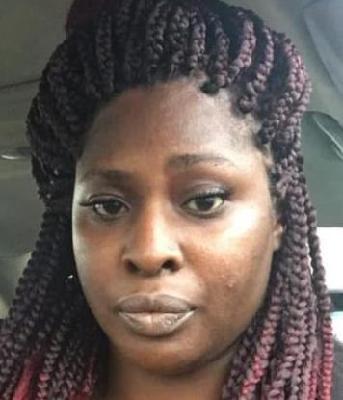
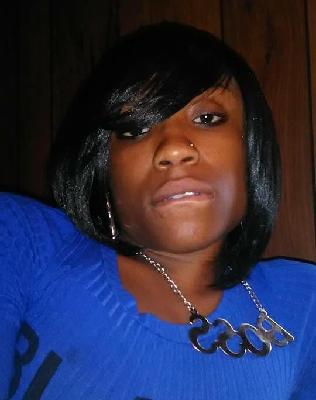
Franquita Cunningham’s last month unfolded in the shadow of a single burst of gunfire that tore through a home on Birmingham’s west side on Halloween night. She was a 49-year-old Black woman. After midnight on October 31, 2014, investigators said she was inside a residence in the 100 block of 5th Avenue Southwest, sitting on a bed in a back bedroom with a friend, when shots were fired outside.
One of those rounds penetrated the home and struck her in the head, turning what should have been a safe room into the scene of a sudden, disorienting emergency.
She was rushed to UAB Hospital, where she lingered for weeks as family and friends watched and waited, hoping the damage could be undone. The timeline described in reports places her hospitalization in the long stretch between the shooting and late November, when the fight for survival finally ended. Her death was reported the night of November 24, and her obituary states she passed away on November 25, 2014, on the palliative care unit at UAB Hospital.
The circumstances described by investigators framed her as an unintended target—someone caught by gunfire meant for somewhere else, or for no one in particular, as bullets flew outside and found their way through walls. In the aftermath, the details that surfaced publicly were spare and stark: the location, the late-night timing, the fact that she was indoors when the shots erupted, and the terrible randomness of being struck while sitting beside a friend in a bedroom.
As for accountability, the public record reflected in contemporaneous reporting offered no named suspect and no immediate breakthrough. Police had made no arrests by the time her death was announced, leaving the case at that point suspended in uncertainty—defined more by where she was, what happened around her, and the weeks-long struggle that followed than by any identified shooter brought into custody.