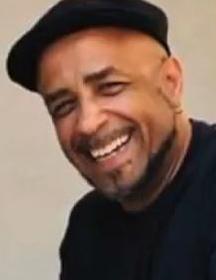
Lemar Brooks was a 32-year-old Black man whose life was cut short in his hometown of Detroit, Michigan. Known to his loved ones, he was part of a family with roots in the city, connected to relatives including Flora Brooks and Desean Brooks. His death in the autumn of 2010 left a void in their lives and a case that remains a painful, unanswered question.
On Friday, November 12, 2010, Lemar was found dead on the city's west side. The discovery was made at a residence located at 14310 Freeland Street, in a neighborhood of modest brick homes situated just north of the I-96 freeway. The specific circumstances leading to his death have never been publicly detailed by authorities. What is known is that his death was not natural; it was ruled a homicide. The cause of death and the nature of his injuries have not been released, leaving a void of information about his final moments. His death was a stark entry in the city's grim ledger for that year, a period when Detroit was experiencing a high rate of violent crime.
The investigation into Lemar Brooks’s murder was launched by the Detroit Police Department. From the beginning, detectives were faced with significant challenges. In many city neighborhoods at the time, a deep-seated mistrust of law enforcement often resulted in a lack of witness cooperation. This "no-snitch" culture could create an impenetrable wall of silence, leaving investigators with little to go on. In Lemar’s case, it appears this silence was profound. There were no immediate witnesses who came forward publicly, and physical evidence at the scene may have been scarce.
In the years that have passed since Lemar was killed, his case has grown cold. The Detroit Police Department has never publicly named a person of interest or any suspects. No arrests have ever been made, and the investigation has been inactive, pending new information. His story did not generate significant media coverage beyond the initial reports, and his name faded from public view, becoming one of the many unsolved homicides that haunt the city's records. For his family, the lack of progress has meant more than a decade of waiting for answers, closure, and some measure of justice. The silence from law enforcement and the public has compounded their private grief.
The Freeland Street area where Lemar was found is a community that has, like many parts of Detroit, weathered economic hardship and the persistent threat of crime. A homicide on a residential block is a deeply traumatic event for neighbors, shattering any sense of security and leaving behind a legacy of fear and suspicion. Each unsolved murder that occurs in such a community can erode the social fabric, making it harder for residents to trust one another and the systems meant to protect them.
Today, the file on Lemar Brooks’s murder remains open but dormant within the Detroit Police Department's Homicide Section. The path to solving the case is contingent on a breakthrough, which would most likely come from someone with direct knowledge of the crime finally choosing to speak up. The passage of time can sometimes change allegiances or weigh on a person's conscience. For the family of Lemar Brooks, this possibility represents the only remaining hope. They are left to remember the man they lost, forever waiting for the day when the person or people responsible for his death are held accountable.