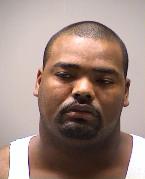
On the final day of 1977, as the city of Dayton, Ohio, prepared to ring in the new year, a 30-year-old man named William Valentine Crouse was killed. His death on Saturday, December 31, 1977, marked the beginning of a mystery that would span decades, leaving a permanent void for those who may have known and loved him and an unsolved file in the records of the Dayton Police Department. The specific circumstances of his death, including the location and cause, were not publicly detailed at the time and have since become obscured by the passage of time, leaving only the cold fact of a life taken too soon.
In the aftermath of the discovery of William’s death, Dayton police detectives launched a homicide investigation. They worked the scene, collected evidence, and interviewed potential witnesses, pursuing the initial leads that are critical in the first hours and days of such a case. However, despite their efforts, the investigation into who killed William Crouse and why eventually stalled. No suspects were publicly identified, no arrests were made, and with no new information coming in, the case grew cold. For years, the file sat among dozens of other unsolved homicides, a silent testament to a life cut short and a puzzle with missing pieces.
The city of Dayton, a hub of industry and innovation in the 1970s, was no stranger to violent crime. Like many American cities of its size during that era, it faced economic shifts and social challenges. Each unsolved homicide from that period represents a unique story of loss that reverberates through generations. For the Dayton Police Department, these cold cases are not forgotten history. They represent a continuing duty to the victims and their families, a promise that as long as a case is officially open, there is still hope for a resolution, no matter how much time has passed.
This commitment was embodied by Detective Patty Tackett, a veteran investigator with the Dayton Police Department’s cold case unit. Before her retirement in the summer of 2019, Detective Tackett dedicated herself to re-examining these old, unresolved cases, including the murder of William Crouse. With fresh eyes and modern forensic advancements in mind, she would sift through aging case files, looking for overlooked details or evidence that could be re-tested. Her work provided a glimmer of hope that even a case from 1977 could be solved. Detective Tackett’s review of the Crouse case was a poignant reminder that behind every case file number is a human being whose story deserves a final chapter.
Decades have passed since William Crouse’s life was tragically ended. Any family and friends he had have lived for over forty years without knowing who was responsible for their loss. The passage of time can erode memories and evidence, making the path to justice ever more difficult. Yet, the possibility remains that someone, somewhere, holds the key piece of information that could break the case open. A chance remark overheard, a guilty conscience, or a shift in allegiances could bring new life to the investigation.
As of 2019, the homicide of William Valentine Crouse remains an open and unsolved case with the Dayton Police Department. There have been no arrests and no publicly named suspects. Investigators continue to believe that answers are possible and that the community may hold the key to resolving this decades-old crime. The department urges anyone who may have any information, no matter how insignificant it may seem, to come forward and help bring a long-awaited measure of justice for William Crouse.