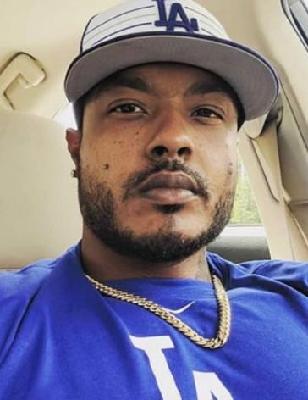
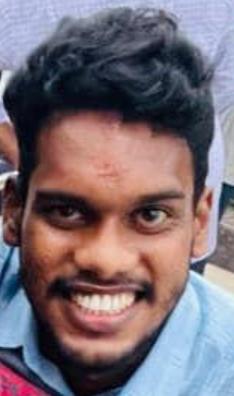
Kostadinos Alexander "Kosta" Karageorge, a 22-year-old Greek-American football player and wrestler at Ohio State University, died on November 30, 2014, from a self-inflicted gunshot wound. His death sparked controversy over undiagnosed concussions and chronic traumatic encephalopathy in athletes. Karageorge was reported missing by his mother after he sent distressing text messages about his headaches and recent concussion.
He missed football practices and the Ohio State game against the University of Michigan, raising concerns about his welfare.
On November 30, 2014, following a dispute with his girlfriend, Karageorge climbed into a dumpster near his apartment and shot himself. His body was found four days later by a woman searching for scrap metal. The initial autopsy showed no signs of CTE, but a later examination by Dr. Ann McKee, a neuropathologist at Boston University, diagnosed Karageorge with stage one CTE. However, she stated that it was impossible to definitively link his suicide to any brain trauma he had sustained in sports.
Karageorge's death led to a broader discussion about the impact of concussions on athletes and the need for better diagnosis and treatment. His family sent his brain to a facility in Massachusetts for further testing, and his death was ruled a suicide by the Franklin County Coroner. Ohio State University held a candlelight vigil in his memory, and his football teammates served as pallbearers at his funeral.
There were no arrests, suspects, or litigations related to Karageorge's death, as it was determined to be a suicide. The case did not involve any criminal investigations or law cases. The controversy surrounding his death highlighted the importance of addressing concussions and their long-term effects on athletes.