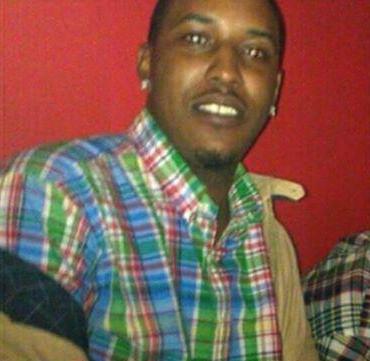
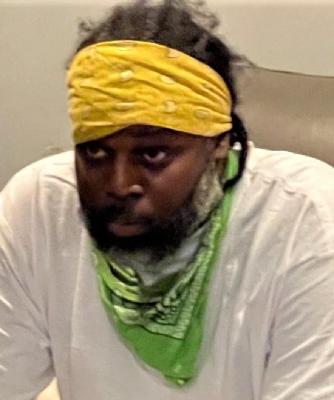
On September 23, 2017, the city of Cleveland, Ohio, lost a valued member of its community when 57-year-old Morrison Jones, a Black male, was tragically shot and killed. His death was not just another statistic but a devastating moment that sent ripples of grief through his family, friends, and neighborhood. Morrison Jones, a man with a life full of experiences, memories, and relationships, met an untimely end in an act of violence that left many questioning how such senseless tragedies continue
to unfold.
The events leading to his death began with what seemed to be a verbal disagreement, an exchange of words that escalated beyond control. This argument, taking place in the 2900 block of East 92nd Street, quickly turned deadly. Morrison Jones, a 57-year-old Black male, was shot in the chest—a single moment of violence that changed everything. The suspect, a 49-year-old male, fled the scene, leaving behind not just a mortally wounded man but also a wave of heartbreak and unanswered questions.
Emergency responders arrived swiftly, working against time to save the life of Morrison Jones. He was transported to University Hospital, where medical professionals fought to revive him, but the damage was too severe. His life was pronounced over, another victim claimed by the kind of violence that has torn apart so many families in Cleveland and beyond.
As the news of Morrison Jones’ passing spread, grief and sorrow gripped those who knew him. He was not just a name in the headlines; he was a person who had walked these streets, shared stories, laughed, loved, and lived. His loss created a void that no amount of justice could ever truly fill.
Law enforcement acted quickly, tracking down the suspect near the intersection of Woodland Avenue and Woodhill Road. An arrest was made, a small step toward accountability, but for those mourning Morrison Jones, the pain remained. The legal process may provide some form of closure, but it can never replace the warmth of his presence, the sound of his voice, or the joy he brought to those who loved him.
In the days following his death, his family and community were left to grapple with the unthinkable. How could a man who had lived 57 years, who had likely overcome struggles and celebrated triumphs, be gone in an instant? His death was a painful reminder of how quickly life can be taken, how fragile existence can be, and how violence continues to claim lives with devastating ease.
The streets of Cleveland have seen too many like Morrison Jones fall to violence, and each time it happens, there is a renewed plea for change. His story is not just about one man, one shooting, or one suspect—it is about a community yearning for safety, for peace, and for an end to the senseless loss of life.
Though he may be gone, Morrison Jones' memory lives on in those who knew him, in the love they hold for him, and in the fight to prevent more tragedies like his. His life, his story, and his legacy deserve to be remembered, not just for the circumstances of his death but for the man he was and the people who mourn him.