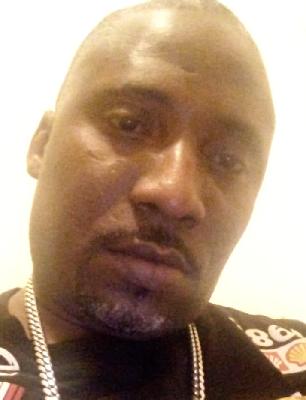
Jamie Davis, 53, a Black man from Detroit, Michigan, died on August 27, 2012, leaving behind a circle of family and friends who quickly began the solemn work of planning how to say goodbye.
In the days that followed, a public notice shared the arrangements: funeral services were set for Saturday, September 1, 2012, at 1:00 p.m. at Hayes Chapel Baptist Church, with interment to take place immediately afterward at Dynasty Gardens Cemetery. The announcement itself was brief, the kind that carries the weight of finality without explaining the story behind it.
What came through most clearly was the pull he had on people. Condolence messages remembered him in the personal shorthand of grief—speaking to him as “my friend,” “my brother in law,” and by the nickname “Bama,” the sort of name that suggests familiarity earned over years rather than a moment. Even long after the service date had passed, entries continued to appear, a sign that his absence didn’t settle neatly into the past for those who loved him.
No public details in the available notices described how he died, and there are no publicly identified suspects, arrests, or court proceedings connected to his death in the same sources that published his service information. What remains in the record is the outline of a farewell—date, church, cemetery—and the echo of people still speaking to him as if he might hear.