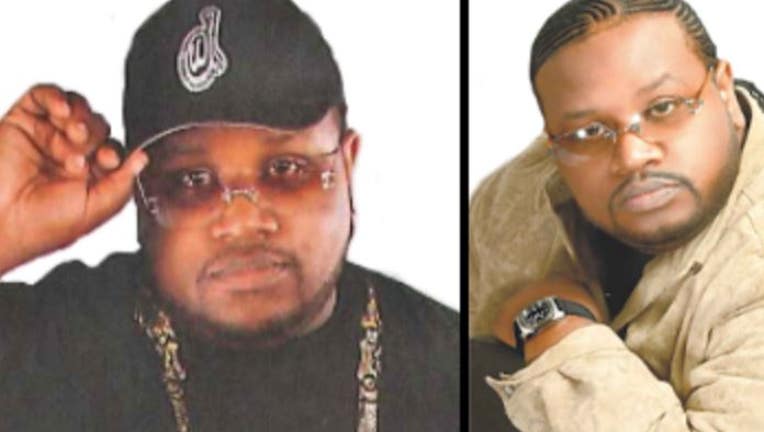
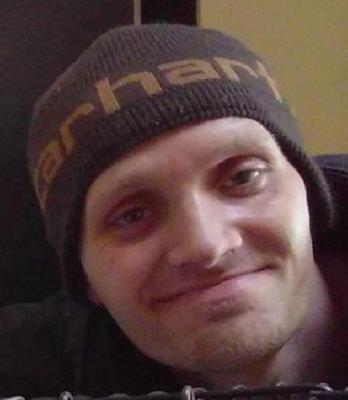
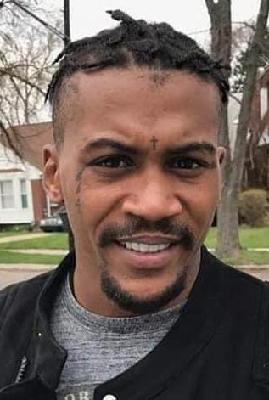
Oetago Williams, a 41-year-old Black man from Detroit, Michigan, died in the city under circumstances that have left little public trace. In the places where a life is usually recorded—news reports, court filings, official press releases—his name is difficult to find, and the story of what happened to him is not laid out in the kind of clear timeline that families, neighbors, and investigators often rely on when searching for answers.
What can be said, based on what is publicly accessible, is mostly defined by what is missing: there is no widely available account describing where he was last seen, what led up to his death, or how the final moments unfolded. There is no commonly circulated description of a scene, no public witness narrative to anchor the night, and no released statement that pins down a motive. The silence around the details makes the loss feel like it happened in the shadows—real and devastating, but not preserved in the public record in a way that allows outsiders to follow the thread.
In the absence of publicly reported specifics, the aftermath becomes a story of uncertainty. Without a published outline of events, the community is left to imagine the questions investigators would ask first—who was with him, who spoke to him that day, what routes he traveled, what calls or messages might have lingered on a phone, what grudges or pressures might have been building out of sight. Yet none of those investigative steps, if taken, are described in sources that are openly available.
When it comes to accountability—arrests, suspects, charges, court hearings, trials—no public, readily verifiable reporting surfaced that identifies a suspect or confirms an arrest tied to his death. There are no accessible case summaries naming an accused person, no charging documents or prosecutor announcements in the open record that connect an individual to Oetago Williams’s death, and no publicly documented trial or conviction information that resolves the case in a definitive way.
What remains, then, is the outline of a man and a city, and the feeling of a story interrupted. A death occurred, a life ended, and whatever happened next—whether the investigation stalled, whether leads dried up, whether answers exist but were never made public—is not something the available public record clearly reveals.