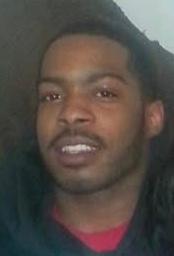
Robert Jamal White, a 28-year-old Black man, was killed in Euclid, Ohio, late on the night of June 30, 2022, in a shooting on Priday Avenue. Police said officers were called to the 21200 block, specifically 21271 Priday Avenue, at about 11:40 p.m. after reports that a man had been shot and was lying in the front yard. When they arrived, they found White gravely wounded.
Emergency care was attempted at the scene, and he was taken to Euclid General Hospital, but he was pronounced dead there.
In the first hours after the shooting, the facts that emerged were stark and spare. Euclid police identified him as a Cleveland man, and the official public account focused on the basic outline: a nighttime shooting, a front yard, a rushed trip to the hospital that ended in loss. The scene on Priday Avenue became one more place marked by flashing lights, questions, and the heavy silence that follows when a life ends suddenly. What should have been an ordinary summer night instead closed with White dead before he could reach his 29th birthday.
As the story spread, another layer came from his father, who believed Robert Jamal White may have been trying to help a woman he was involved with, someone he thought was being physically abused by another man. That account painted the killing as something more personal and immediate than a random burst of violence, suggesting White may have stepped into a dangerous confrontation and never made it back out. Public reporting did not establish that version as official police fact, but it became one of the only glimpses into what may have led to the gunfire.
His death left behind the portrait of a young man remembered by family as more than a name in a police release. His obituary described him as a loving son, brother, nephew, cousin, and friend to many. That language, simple as it was, stood in painful contrast to the cold mechanics of the case file: the address, the time stamp, the transport to the hospital, the pronouncement of death. Behind the investigation was a family preparing a viewing and a celebration of life only days later, trying to gather memories while also facing the violence of how he died.
As for the case itself, public reports at the time said no arrests had been made, and in the publicly available coverage that followed, no suspect was clearly identified, no arrest was publicly announced, and no trial or conviction surfaced in connection with White’s killing. The case, at least in the public record, appears to have remained unresolved, leaving the circumstances of who pulled the trigger and why without a final public answer.