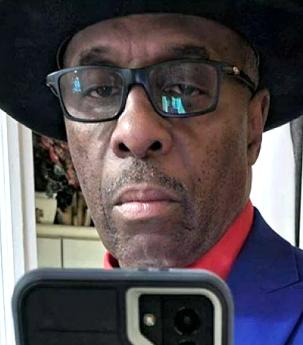
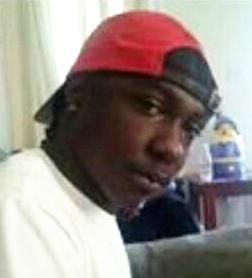
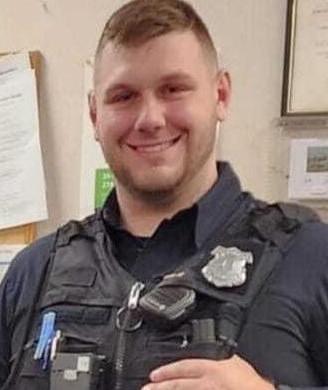
Sincere Rowdy was a 17-year-old Black male with a high-energy, funny personality and a calm demeanor. A senior at Frederick Douglass High School in Euclid, Ohio, Sincere was raised by his aunt and legal guardian, Jolishia Frizzell. He was the oldest boy of five siblings, liked to make people laugh, and was focused on his goal of finishing high school.
His family and school community remembered him as a valued presence who would be dearly missed.
On the evening of August 30, 2024, Sincere and his friends went to the first Euclid High School home football game of the season. About an hour after the game ended, around 10:30 p.m., a group of teenagers was gathered outside a fire station on Nicholas Avenue near East 222nd Street. According to prosecutors, one of the teens in the group, 15-year-old Darien Harris, was goaded by another youth who said, "you ain’t going to blow it." Harris then hid behind a car and fired at least eight shots into the crowd before fleeing. Sincere Rowdy was struck and killed. Four other boys, ages 15, 16, and 17, were wounded but survived.
The Euclid Police Department responded to the chaotic scene. Investigators used witness statements, phone records, and firearm evidence to identify a suspect. Police determined the shooting was not a random act of violence. The following day, on August 31, 2024, officers arrested Darien Harris at a residence in Euclid and took him into custody at the Cuyahoga County Juvenile Detention Center.
Harris was initially charged with murder and felonious assault in juvenile court. Prosecutors filed a motion to have his case transferred to the adult system. On March 31, 2025, a juvenile court judge ruled that Harris was not suited for the juvenile court and transferred his case to the Cuyahoga County Court of Common Pleas, meaning he would be tried as an adult.
On October 20, 2025, Darien Harris pleaded guilty to one count of murder and one count of felonious assault. He was immediately sentenced to life in prison. According to the terms of his sentence, he will be eligible for parole after serving 20 years. As of October 2025, the case is considered closed.