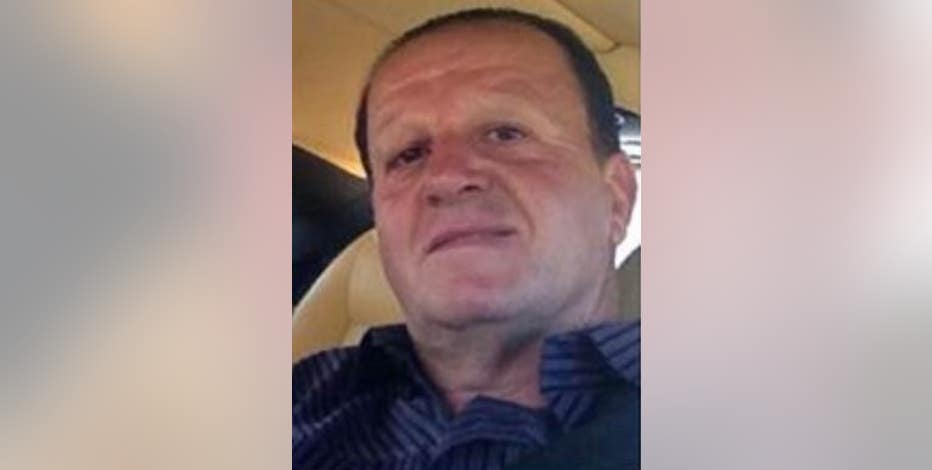
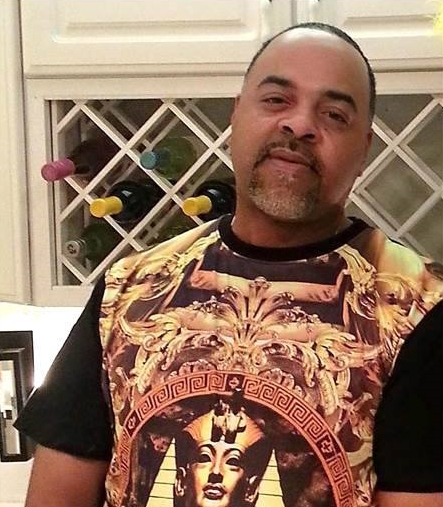
Antawn Monet Bailey, also listed in public notices as Antwan Bailey, died in Detroit, Michigan, on November 4, 2013. He was a 27-year-old Black man. In the wake of that date, the city that held his memories also held the weight of losing him, and the days ahead became a sequence of moments shaped by absence and remembrance.
Arrangements were made through Butler Funeral Home in Detroit, a place where grief is often met with quiet structure—names written carefully, times confirmed, doors opened so people can step inside and try to understand what they feel. For those who wished to pay their respects, a public viewing was scheduled for Friday, November 15, 2013, offering a chance for goodbyes that are never truly enough, but still deeply needed.
The following day, Saturday, November 16, 2013, funeral services were held. A service is more than a date on a calendar—it is the gathering of voices that loved someone in different ways, the shared silence between prayers and reflections, the steadiness people borrow from one another when their own hands won’t stop shaking. In that space, the life behind the name is what matters most, even when the world outside only knows a line of text and a timeline.
After the service, Antawn was laid to rest at Meadowcrest Cemetery in Detroit. Cemeteries are full of stories that no longer speak out loud, yet never stop existing—stories carried by families, friends, neighbors, and anyone who ever knew a person’s laugh, habits, kindness, or struggles. The ground does not erase the person; it simply marks a place where love comes to visit.
What remains difficult here is that the publicly available records connected to his death do not describe what happened or how he died. There is no widely accessible account in those sources of the circumstances surrounding November 4—no clear narrative of where he was, what occurred, or why the day ended the way it did. That lack of detail can feel like an unfinished sentence, a silence that makes grief heavier because it leaves so little to hold onto.
Alongside that, there is also no publicly available reporting in the information provided that identifies suspects or documents arrests, charges, trials, or convictions tied to his death. In cases where questions linger, people often search for something concrete—a name, an answer, a turning point—but here, the record as provided does not offer that kind of closure.
And so the clearest traces left in this account are the ones that speak to remembrance: the viewing, the funeral, the burial, the structured path a community takes when trying to honor someone who is gone too soon. Antawn Monet Bailey’s name remains, anchored to a date and a city, and to the solemn care taken to bring people together—first to grieve, then to say goodbye, and finally to carry him forward in the only way that is still possible: through memory.