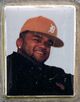
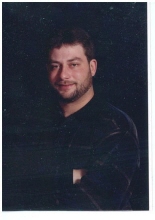
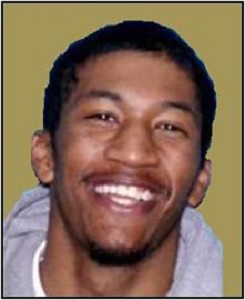
Paul Free was a 42-year-old African American man from Detroit, Michigan, and on January 24, 2014, his life came to an end. A date like that can look simple on paper, just numbers in a row, but it carries the weight of a day that changed everything for the people who knew him. One moment he was still part of the city’s living rhythm—somewhere under that winter sky, surrounded by the ordinary sounds of a neighborhood, the familiar routines, the unspoken plans for what would come next. And then, suddenly, he was gone.
Detroit in late January is often cold in a way that settles into the bones. The air can sting, and the streets can feel both wide-open and strangely close, as if every block holds its own memories. On that day, somewhere within that landscape, Paul’s story stopped. For those who loved him, the world didn’t stop with it—phones still rang, cars still passed, and the day still moved forward—but the center shifted. Grief has a way of making time feel unreal, stretching minutes into hours, turning an afternoon into a blur, making the simplest details feel sharp and unbearable.
When a death happens, it doesn’t belong only to the moment itself. It ripples outward—into living rooms where someone waits for a knock at the door, into a family’s sense of safety, into the way a friend’s mind keeps replaying the last conversation, searching for something missed. Even without the specifics of what happened, the impact is clear in the emptiness left behind. It’s in the chair that won’t be filled again. It’s in the silence where a voice used to be. It’s in the way certain songs, streets, or seasons can suddenly feel heavy, as if the city itself has been permanently altered.
And yet a person is always more than the final line in their story. A name like Paul Free is not just a record; it represents a whole life that contained ordinary days and private struggles, laughter that didn’t make the news, and moments of kindness that never left a paper trail. Whatever he carried, whatever he hoped for, whatever he endured—those things mattered. The end of his life on that winter day did not erase what came before it, and it did not diminish the fact that his absence is real, lasting, and felt.
With only the information provided, the circumstances surrounding his death remain unspoken, like a page missing from a book. That missing page can be its own kind of pain, because unanswered questions have a way of staying awake at night. When details are scarce, imagination fills in the gaps, and the mind can become a restless place—trying to build a shape around something that won’t be fully seen. The hardest part can be the feeling that the world moves on while the people closest to the loss are left holding a story that feels unfinished.
No information has been provided here about suspects, arrests, or court outcomes connected to his death. If there were leads, if there were names whispered or pursued, if there were steps taken toward accountability, those details aren’t part of what is known in this account. What remains, then, is the certainty of who he was and when he was taken, and the understanding that the people who cared about him were left to carry forward with the kind of grief that doesn’t announce itself but is always present.
Still, there is something important in speaking his name plainly, in refusing to let a life be reduced to a date and a place. Paul Free belonged to Detroit, and he belonged to the people who loved him, whether they were family by blood or family by choice. The day he died did not end the love that surrounded him; it only changed the way it had to be expressed. Love becomes remembrance. Love becomes the quiet insistence that someone mattered. Love becomes the promise, spoken aloud or kept privately, that he will not be forgotten.