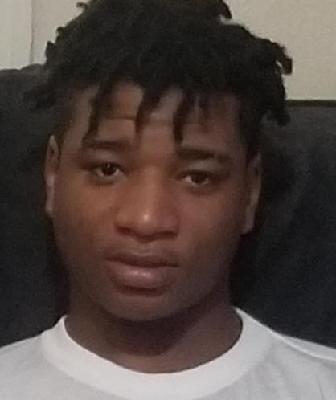
Edward James “Juicy” Ricks, 23, a Black man, was killed in Baton Rouge, Louisiana, on Monday, December 21, 2009. By midafternoon, the day had turned into something his family would never be able to rewind: he was reported dead at about 3:30 p.m., and word spread quickly through the neighborhoods that another young life had been taken in a burst of violence.
Accounts tied to the later court proceedings describe a shooting that left him struck multiple times.
The gunfire happened in close range circumstances, and witnesses described him going down under a rapid series of shots. In the seconds that followed, the scene became even more brutal. As the shooter pulled away, the vehicle used to flee was described as running over Ricks’s body, a detail that hardened the story in the minds of those who heard it—an exit that looked less like panic and more like a final, cruel punctuation.
Investigators eventually focused on Nathaniel J. Davis III. In the case that followed, Davis was charged with second-degree murder, and his version of the encounter was built around a claim of self-defense. He said Ricks was robbing him, and that the shooting was his response to a threat he believed was immediate and deadly. The trial drew in competing voices—Davis himself, his cousin Daniel Taylor, and other witnesses—each describing what they saw and what they believed happened in the moments leading up to the gunfire and the frantic departure afterward.
The jury did not return the charge prosecutors started with. Instead, it convicted Davis of manslaughter, treating the killing as a lesser offense than second-degree murder. The court imposed a sentence of five years of hard labor. Even after the verdict, the case did not settle into silence: Davis appealed, arguing that the evidence was not enough to show he had not acted in self-defense.
On appeal, the conviction and sentence were upheld. The appellate court’s reasoning leaned on the same collision of testimony and physical circumstances that shaped the trial: witnesses who described multiple shots, evidence consistent with firing at close range, and the way Davis fled and did not report the shooting—conduct the court viewed as difficult to square with a justified act of self-defense. For those who loved Edward “Juicy” Ricks, the legal ending did not restore what was lost; it only fixed the official narrative in place, leaving the memory of that December afternoon to live on as both a personal tragedy and a case carried through arrest, prosecution, conviction, and appeal.