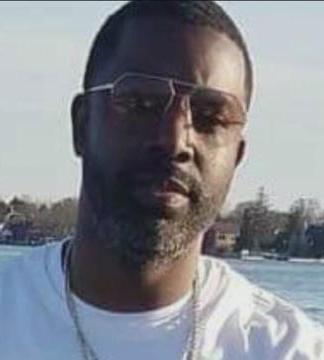
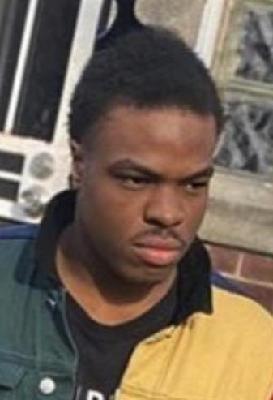
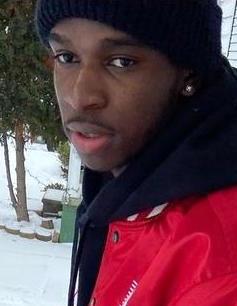
Maurice Lamar White, a 31-year-old Black man from Detroit, Michigan, was born on March 15, 1986, and died on April 3, 2017. In the days that followed, what became visible to the public was not a clear account of how he was lost, but the familiar, heavy outline of what comes after: the arrangements, the gathering of loved ones, the steady work of trying to honor a life in the middle of grief.
For the people who knew him, the calendar filled with moments meant to hold one another up. Visitation was scheduled for the evening of April 11, 2017, at the James H. Cole Boulevard Chapel on West Grand Boulevard in Detroit, a place where voices tend to soften and time seems to move differently. The following day, April 12, a wake was arranged before the funeral service at the same chapel, as if the community needed that extra space to speak his name, to sit with the reality of it, to let the shock settle into something that could be carried. Burial was planned at Detroit Memorial Park West in Redford, a final destination marked not by the noise of the world outside, but by the quiet insistence that he mattered, and that he would be remembered.
Even in the brief public details, there is a sense of how quickly a life can be reduced to dates and logistics, and how fiercely those left behind push back against that reduction. A viewing, a wake, a service—each step is a bridge between the person he was and the absence that followed, a way for family and friends to stand in the same room and admit, together, that everything changed. The addresses and times are practical facts, but they also trace the path of a community showing up: arriving in coats and work clothes, coming straight from long shifts, finding seats beside relatives they haven’t seen in years, offering a hand on a shoulder when words fail.
What is not contained in the information provided is the story people naturally reach for when someone dies young: the explanation, the chain of events, the reason. No public account of circumstances is included here, and there is no mention of arrests, suspects, or charges connected to his death. That silence leaves a different kind of ache—one that can feel like unfinished sentences, like questions that have nowhere to land. It means that, from the details available, the clearest public portrait is not of the moment he was lost, but of the love that gathered in response: the effort to give him dignity, to give the living a chance to mourn properly, and to place him in the care of memory with the solemnity he deserved.
And so what remains, in these facts, is the outline of a farewell shaped by Detroit streets and familiar doors, by a chapel on West Grand Boulevard, and by the long drive to Redford that carried him toward rest. It is a reminder that even when the world doesn’t provide an explanation, people still reach for one another. They still come. They still say his name. They still make room for grief, and for remembrance, and for the enduring truth that Maurice White was here.