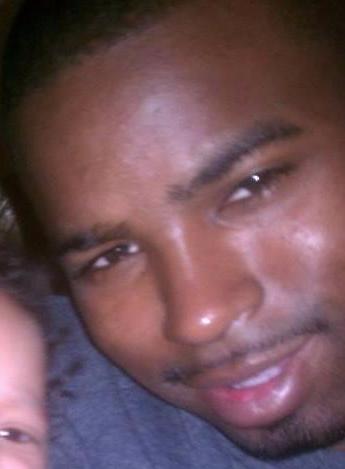
Jakharri “Mouse” Gasery, a 22-year-old African American man, died on June 27, 2018, after he was taken from Gray, Louisiana to a hospital in New Orleans. In a place where people recognize each other’s trucks in the driveway and know the sound of a neighbor’s voice before they reach the door, news like that doesn’t arrive gently. It spreads in fragments at first—someone saying there was a shooting, someone else saying he was being rushed for help—until it settles into the one
sentence nobody wants to hear: he didn’t make it.
What’s known is stark and painful in its simplicity. Gasery had been shot, and in the frantic effort to save him, he was transported for emergency care. The journey from Gray to New Orleans can feel long even on an ordinary day; in a crisis, every mile becomes a pleading kind of time, a stretch of road filled with hope that the next minute will turn everything around. At University Medical Center in New Orleans, the fight for his life ended. He died from gunshot wounds after arriving there, leaving behind the kind of silence that doesn’t just fill a room, but clings to the people who loved him.
Afterward, the story moved from urgency to mourning, from sirens and phone calls to gatherings where grief had to be carried together. Gasery was described as a native and resident of Gray, and those words matter because they speak to belonging—the streets that raised him, the familiar faces that watched him grow, the community that knew him as more than a headline or a date. The services held in Gray became a way of drawing him back into the arms of the place that called him theirs, a moment for family and friends to stand shoulder to shoulder and try to make sense of what can’t be made sensible.
He was laid to rest in Houma, the final step in bringing him home. Funerals have their own heavy rhythm: the arrival of loved ones who haven’t slept, the quiet embrace of people who don’t know what to say but refuse to stay away, the small details that become unbearable—his name printed neatly, the fixed dates, the space where a future should have been. For those closest to him, “Mouse” wouldn’t have been a nickname in ink; it would have been a voice calling out across a room, a laugh in a familiar place, a presence that once felt certain. In death, even the smallest memories become precious because they are all that can be held.
And then there’s the hardest part for so many families in tragedies like this: what doesn’t follow. Publicly available information tied to his death does not include details about arrests, identified suspects, or court proceedings. That absence leaves the story unfinished in the eyes of the outside world, but for the people who loved him, life doesn’t pause for missing answers. They still wake up to the same morning light, still pass the places he once stood, still feel the sting of a name that should have had decades left to it. Without a publicly documented path to accountability, grief can feel like it has nowhere to go—no clear ending, no public resolution—only the ongoing weight of loss and the aching wish that the truth, in full, will someday be spoken.