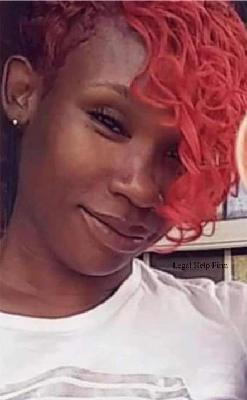
LaTanya Haggerty, a 26-year-old African American woman, was tragically killed on June 4, 1999, in Chicago, Illinois. The incident occurred during a chaotic police chase involving Haggerty and her companion, Raymond Smith. The chase began after a traffic stop and escalated when Smith attempted to flee from the officers. The situation culminated in a confrontation where Chicago Police Officer Serena Daniels shot Haggerty, mistakenly believing she had a gun.
Daniels later expressed remorse, stating she thought Haggerty was holding a shiny, silver object that could have been a weapon. However, witnesses and other officers at the scene reported seeing only a cellular phone in Haggerty's hand, not a gun or any other threatening object.
The aftermath of Haggerty's death led to significant public outcry and scrutiny of the Chicago Police Department's actions. An internal investigation by the Police Department's Office of Professional Standards concluded that Officer Daniels unjustly shot Haggerty. The report highlighted that no eyewitnesses corroborated Daniels' claim about the shiny object, and physical evidence did not support her account. The investigation also revealed that the officers involved had ignored orders to terminate the chase and failed to provide immediate medical assistance to Haggerty after she was shot.
In response to the findings, Chicago Police Superintendent Terry Hillard recommended the dismissal of Daniels and three other officers involved in the incident. The case also sparked widespread protests and demands for accountability and justice for Haggerty. The Haggerty family, represented by lawyer James Montgomery, pursued legal action against the city and the officers involved. The case underscored broader issues of police misconduct and the use of excessive force, particularly against African American individuals.
The tragic death of LaTanya Haggerty remains a poignant example of the consequences of police actions and the need for systemic reforms within law enforcement agencies. The incident continues to be a reference point in discussions about police accountability and the protection of civil rights.