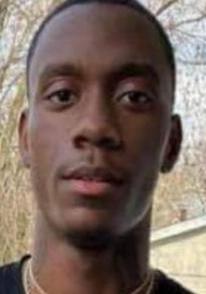
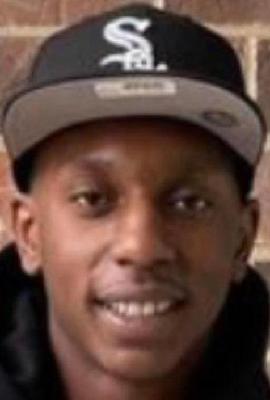
Ronald Johnson, a 25-year-old African-American man, was fatally shot by a Chicago police officer on October 12, 2014. The incident occurred during a police chase in the Washington Park neighborhood of Chicago. According to reports, Johnson was fleeing from officers when he was shot in the back by Officer George Hernandez. The Independent Police Review Authority later determined that the shooting was justified, stating that Johnson was armed with a gun at the time of the incident.
The
shooting of Ronald Johnson sparked controversy and allegations of a cover-up by the police. Johnson's family and their attorneys claimed that the gun found at the scene was planted by the officers to justify the shooting. They argued that Johnson was not a threat and that the use of deadly force was unwarranted. Despite these allegations, the Cook County State's Attorney's Office announced that Officer Hernandez would not face any charges for the shooting. The decision was based on the evidence presented, including dash cam footage that showed Johnson running away from the officers with a gun in his hand.
The case of Ronald Johnson drew significant attention, particularly in the context of other high-profile police shootings of African-American individuals, such as the case of Laquan McDonald. The release of the dash cam footage of Johnson's shooting came shortly after the city was forced to release footage of Officer Jason Van Dyke shooting Laquan McDonald 16 times. The McDonald case led to widespread protests and calls for police reform in Chicago. In response to the public outcry, Mayor Rahm Emanuel announced a series of reforms aimed at improving police accountability and transparency.
Johnson's family filed a wrongful death lawsuit against the city of Chicago and Officer Hernandez, seeking justice for what they believed was an unjustified shooting. The lawsuit alleged that the officers involved in the incident conspired to cover up the true circumstances of Johnson's death. The case highlighted the ongoing issues of police misconduct and the need for systemic changes within the Chicago Police Department. Despite the legal battles and public scrutiny, the IPRA's ruling that the shooting was justified remained a point of contention for Johnson's family and supporters.