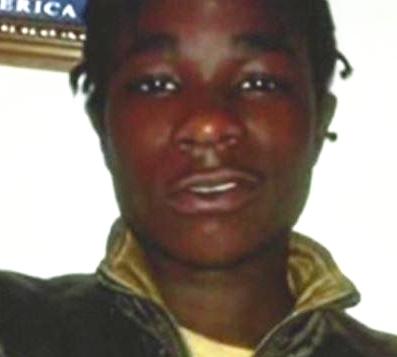
Malcom Tompkins, a 25-year-old African American male, tragically lost his life on February 20, 2015, in Chicago, IL. The circumstances surrounding his death were both shocking and deeply saddening for his family and community. On that fateful day, Malcom was found fatally shot in the Englewood neighborhood, a location known for its high crime rates and frequent violence.
The incident occurred late in the evening, and despite the immediate response from emergency services, Malcom was pronounced dead at the scene due to multiple gunshot wounds.
The investigation into Malcom Tompkins' death was swift, with the Chicago Police Department launching a thorough inquiry to uncover the details of the crime. Initial reports indicated that Malcom was walking home when he was approached by an unknown assailant who opened fire. Witnesses in the area reported hearing several gunshots and seeing a suspect fleeing the scene. The suspect was described as a young male, but no further details were provided at the time.
As the investigation progressed, the police faced numerous challenges, including a lack of cooperation from potential witnesses and the pervasive fear of retaliation within the community. Despite these obstacles, detectives continued to gather evidence, including surveillance footage from nearby businesses and forensic analysis of the crime scene. The case remained open for several months, with the police urging anyone with information to come forward.
In the months following Malcom's death, his family sought justice and closure. They held vigils and community rallies to raise awareness about the case and to encourage witnesses to speak out. The local media also covered the story extensively, highlighting the broader issue of gun violence in Chicago and the impact it had on families like the Tompkins.
Unfortunately, despite the efforts of law enforcement and the community, no arrests were made in connection with Malcom Tompkins' murder. The case eventually went cold, leaving his family and friends with unanswered questions and a profound sense of loss. The lack of resolution in Malcom's case is a stark reminder of the ongoing challenges faced by many families affected by violent crime in urban areas.
The tragic death of Malcom Tompkins underscores the urgent need for comprehensive measures to address gun violence and to support communities plagued by such incidents. His story is one of many that highlight the human toll of violence and the importance of continued efforts to seek justice for victims and their families.