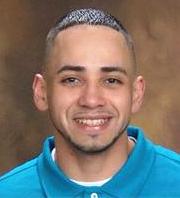
Larry Hardin Jr., a 26-year-old African American male, tragically lost his life on March 9, 2015, in Chicago, Illinois. The circumstances surrounding his death were deeply troubling and sparked significant concern within the community. Larry Hardin Jr. was found with multiple gunshot wounds, which ultimately led to his untimely demise. The incident occurred in a neighborhood that had been grappling with rising violence, adding to the urgency of addressing the root causes of such tragedies.
In the aftermath of Larry Hardin Jr.'s death, the Chicago Police Department launched an extensive investigation to identify the perpetrators and bring them to justice. Despite the efforts of law enforcement, the case faced numerous challenges, including a lack of witnesses willing to come forward and provide crucial information. This reluctance was often attributed to fear of retaliation, a common issue in areas plagued by gang activity and violent crime.
As the investigation progressed, several suspects were identified, but concrete evidence to secure arrests and convictions remained elusive. The community's frustration grew as months passed without significant breakthroughs. Advocacy groups and local leaders called for increased resources and support for the police to solve the case and prevent further violence. The case of Larry Hardin Jr. highlighted the broader issues of systemic violence and the need for comprehensive strategies to ensure the safety and well-being of residents in affected neighborhoods.
Legal proceedings related to the case saw limited progress. While there were initial arrests, the lack of substantial evidence led to the release of suspects, further complicating the pursuit of justice for Larry Hardin Jr. His family, devastated by the loss, continued to seek answers and closure, often participating in community events and vigils to keep his memory alive and to advocate for an end to the violence that claimed his life.
The murder of Larry Hardin Jr. remains a poignant reminder of the ongoing challenges faced by communities in Chicago and other urban areas. It underscores the importance of collaborative efforts between law enforcement, community members, and policymakers to address the root causes of violence and to create safer environments for all residents. The legacy of Larry Hardin Jr. serves as a call to action for continued vigilance and commitment to justice and peace.