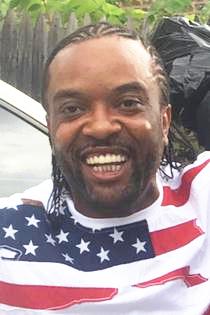
Dennis Hoosier, a 23-year-old African American male, tragically lost his life on June 12, 2015, in Chicago, IL. The circumstances surrounding his death were deeply troubling and sparked significant attention from both the public and law enforcement. Dennis was found with multiple gunshot wounds in a neighborhood known for its high crime rates. The initial investigation suggested that the shooting might have been gang-related, although Dennis himself was not known to be involved in any gang
activities. His family described him as a hardworking young man who was focused on his future and had no known enemies.
The investigation into Dennis Hoosier's death was extensive. Chicago police launched a thorough inquiry, interviewing numerous witnesses and canvassing the area for any potential leads. Despite their efforts, the case quickly grew cold due to a lack of concrete evidence and reliable eyewitness accounts. The community's reluctance to come forward with information further hampered the investigation. Over time, the case saw little progress, and no arrests were made in connection with Dennis's murder.
In the years following his death, Dennis Hoosier's family continued to seek justice. They held vigils and community events to keep his memory alive and to encourage anyone with information to come forward. Their persistence paid off when, in 2018, new evidence emerged that reignited the investigation. A witness, who had previously been too afraid to speak out, came forward with crucial information that identified a suspect. This breakthrough led to the arrest of a known gang member who was subsequently charged with Dennis's murder.
The trial for Dennis Hoosier's murder began in early 2019. The prosecution presented a compelling case, supported by the new witness testimony and forensic evidence that linked the suspect to the crime scene. The defense, however, argued that the evidence was circumstantial and that their client was being wrongfully accused. After a lengthy trial, the jury found the suspect guilty of first-degree murder, and he was sentenced to life in prison without the possibility of parole.
Dennis Hoosier's death was a stark reminder of the ongoing violence in Chicago and the challenges faced by law enforcement in solving such crimes. His family, while relieved that justice was finally served, continued to mourn the loss of a young man whose life was cut tragically short. The case highlighted the importance of community cooperation in solving crimes and the need for continued efforts to address the root causes of violence in the city.