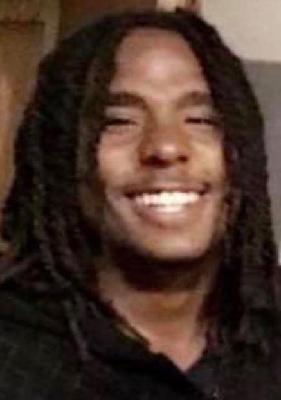
Taylor J. Lewis, a 35-year-old African American male, tragically lost his life on July 31, 2015, in Chicago, IL. The circumstances surrounding his death have been the subject of extensive investigation and legal scrutiny. Taylor's death was ruled a homicide, with the cause of death being multiple gunshot wounds. The incident occurred in a neighborhood known for its high crime rates, adding to the complexity of the case.
In the aftermath of Taylor's death, the Chicago Police Department
launched a thorough investigation to identify the perpetrators. Several suspects were initially questioned, but the case remained unsolved for a significant period. The community's reluctance to come forward with information, coupled with the lack of concrete evidence, posed substantial challenges to the investigators.
Over time, new leads emerged, leading to the arrest of two individuals believed to be connected to the murder. These suspects, both males in their late twenties, were charged with first-degree murder. The prosecution's case was built on a combination of eyewitness testimonies and forensic evidence, which linked the suspects to the crime scene. The trial garnered considerable media attention, highlighting the broader issues of gun violence and systemic challenges within the criminal justice system.
Throughout the legal proceedings, Taylor's family remained vocal, advocating for justice and raising awareness about the impact of violent crime on their community. The trial concluded with the conviction of the suspects, who were sentenced to lengthy prison terms. This outcome provided a measure of closure for Taylor's loved ones, though the emotional scars of his loss continue to resonate.
The case of Taylor J. Lewis underscores the persistent issues of violence and the need for comprehensive strategies to address crime in urban areas. It also highlights the importance of community cooperation in solving such cases and the ongoing efforts to support victims' families in their quest for justice.