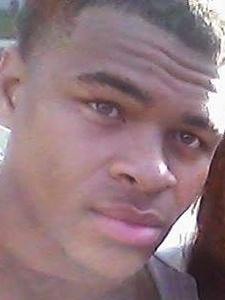
Darian Gunn, a 20-year-old African American male, was fatally shot on September 24, 2015, in the South Commons neighborhood of Chicago, IL. The incident occurred in the afternoon, and Gunn was pronounced dead at the scene. The circumstances surrounding his death were initially unclear, but it was later determined that he had been targeted in a drive-by shooting.
The investigation into Gunn's death revealed that he had been involved in a dispute with a local gang, which ultimately led to the fatal shooting.
In the aftermath of Gunn's death, the Chicago Police Department launched a thorough investigation to identify and apprehend the individuals responsible for the crime. Several suspects were identified, and arrests were made in connection with the shooting. Among those arrested were members of the gang involved in the dispute with Gunn. The suspects faced multiple charges, including first-degree murder, attempted murder, and unlawful use of a weapon.
The legal proceedings related to Gunn's death were complex and lengthy. The suspects were tried in Cook County Court, where they faced a series of hearings and trials. The prosecution presented evidence linking the suspects to the crime, including witness testimonies and forensic evidence. The defense, on the other hand, argued that the suspects were not directly involved in the shooting and that the evidence was circumstantial.
Throughout the legal process, Gunn's family and friends attended the court proceedings, seeking justice for their loved one. The case garnered significant media attention, highlighting the ongoing issue of gang violence in Chicago and the impact it has on the community. Ultimately, the court found the primary suspect guilty of first-degree murder and sentenced him to life in prison without the possibility of parole. Other suspects received varying sentences based on their level of involvement in the crime.
The tragic death of Darian Gunn serves as a stark reminder of the devastating consequences of gang violence and the need for continued efforts to address this issue in communities across the country. His family continues to honor his memory and advocate for peace and justice in their community.