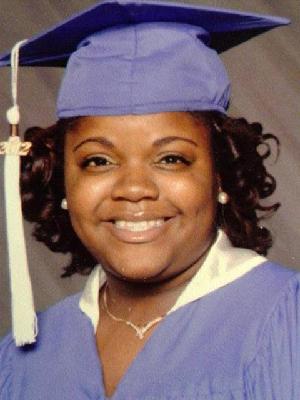
Bettie "Betty Boo" Jones, a 55-year-old African American woman, was tragically killed on December 26, 2015, in Chicago, IL. Bettie Jones was a beloved mother of five and a well-known figure in her community, often involved in church activities and community organizations. On the day after Christmas, Jones was accidentally shot by a Chicago police officer who was responding to a domestic disturbance call involving her upstairs neighbor, Quintonio LeGrier, a 19-year-old African American male
experiencing a mental health crisis and wielding an aluminum bat.
The incident occurred when Jones, trying to assist the police, opened the door to her apartment building to let the officers in. As the officer approached, LeGrier reportedly charged down the stairs with the bat, prompting the officer to fire his weapon. Unfortunately, one of the bullets struck Jones in the chest, leading to her untimely death. The officer fired a total of eight shots, six of which hit LeGrier, who also died from his injuries.
The aftermath of Bettie Jones' death sparked significant outrage and grief within the community. Her family and friends mourned her loss deeply, emphasizing her innocence and the senselessness of her death. The incident highlighted ongoing concerns about police use of force, particularly in situations involving mental health crises. The officer involved in the shooting was not prosecuted for criminal charges but was later fired from the force nearly four years after the incident. The Civilian Office of Police Accountability (COPA) ruled the shooting unjustified, and the police chief classified Jones' death as accidental.
In response to the tragedy, Bettie Jones' family filed a lawsuit against the City of Chicago, which resulted in a $16 million settlement. This settlement was seen as a measure of justice for the family, though it could not undo the pain and loss they experienced. The case of Bettie Jones remains a poignant example of the need for better training and protocols for police officers, especially when dealing with individuals experiencing mental health crises.