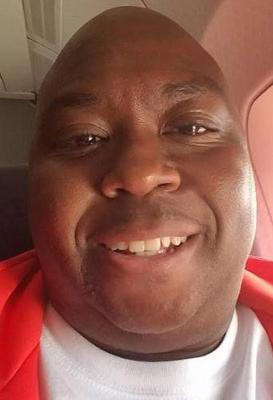
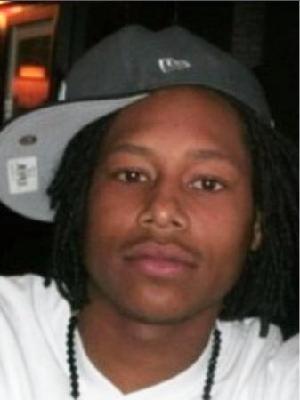
Kenneth Renaldo Brown, a 31-year-old African American male, was tragically shot and killed on March 16, 2016, in Chicago, IL. The incident occurred in the West Englewood neighborhood, a community that has faced significant challenges with violence over the years. Brown's death was a result of multiple gunshot wounds, which he sustained during an altercation.
The circumstances surrounding his death were immediately treated as a homicide, prompting a thorough investigation by the Chicago Police Department.
In the aftermath of Kenneth Renaldo Brown's death, the police launched an extensive investigation to identify and apprehend the suspects involved. The investigation revealed that Brown had been involved in a dispute with several individuals prior to the shooting. Witnesses reported hearing a heated argument followed by gunfire. Despite the efforts of law enforcement, the case faced numerous challenges, including a lack of cooperation from potential witnesses and the pervasive issue of gang-related violence in the area.
As the investigation progressed, several suspects were identified, and arrests were made. The primary suspect, a known gang member, was apprehended and charged with first-degree murder. The suspect, whose identity was withheld due to ongoing legal proceedings, had a history of violent offenses and was believed to have targeted Brown over a personal vendetta. The arrest brought a sense of relief to Brown's family and the community, who had been living in fear since the incident.
The legal proceedings that followed were complex and drawn out. The suspect's defense team argued that there was insufficient evidence to convict their client, citing the lack of direct eyewitness testimony and the challenges of relying on circumstantial evidence. However, the prosecution presented a compelling case, including forensic evidence and testimonies from individuals who had witnessed the events leading up to the shooting. The trial garnered significant media attention, highlighting the broader issues of gun violence and gang activity in Chicago.
Ultimately, the suspect was found guilty of first-degree murder and sentenced to a lengthy prison term. The conviction was seen as a victory for justice, but it also underscored the ongoing struggles faced by communities plagued by violence. Kenneth Renaldo Brown's death was a stark reminder of the human toll of gun violence and the need for continued efforts to address the root causes of such tragedies. His family, while finding some solace in the conviction, continued to mourn the loss of a beloved son, brother, and friend.