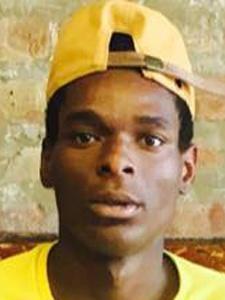
Terrance Murphy, a 20-year-old African American male, tragically lost his life on August 28, 2016, in Chicago, IL. His death was the result of a shooting incident that occurred in the city's South Side. Murphy was found with multiple gunshot wounds and was pronounced dead at the scene. The incident took place in the early hours of the morning, adding to the city's ongoing struggle with gun violence.
In the aftermath of Murphy's death, the Chicago Police Department launched an
investigation to identify the perpetrators and bring them to justice. Initial reports indicated that Murphy was not involved in any gang activity, and his death appeared to be a case of mistaken identity. This revelation added a layer of tragedy to the incident, as it highlighted the senseless nature of the violence that claimed his life.
As the investigation progressed, several suspects were identified. The police arrested two individuals in connection with Murphy's murder. Both suspects were charged with first-degree murder and were held without bail. The case against them was built on eyewitness testimonies and forensic evidence collected from the crime scene. The trial garnered significant attention, as it was seen as a test of the city's ability to address the rampant gun violence plaguing its neighborhoods.
Throughout the legal proceedings, Murphy's family remained vocal about their desire for justice. They attended every court hearing, often speaking to the media about the impact of his death on their lives. The trial concluded with both suspects being found guilty and sentenced to lengthy prison terms. This outcome provided some measure of closure for Murphy's family, though the pain of their loss remained.
Murphy's death also sparked broader discussions about the need for comprehensive measures to address gun violence in Chicago. Community leaders and activists called for increased investment in social programs, better policing strategies, and stricter gun control laws. Murphy's story became a symbol of the urgent need for change, and his family continued to advocate for policies that could prevent similar tragedies in the future.