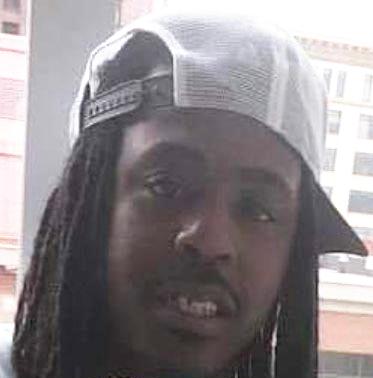
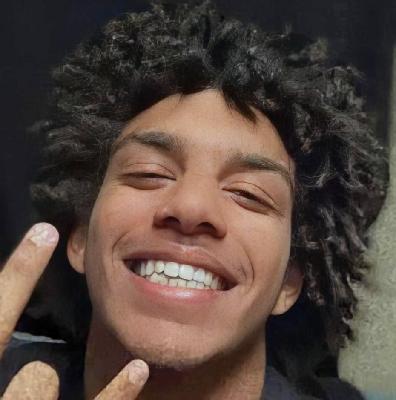
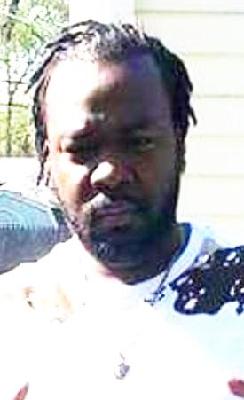
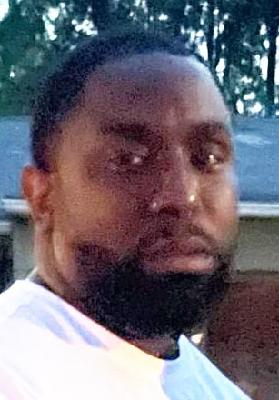
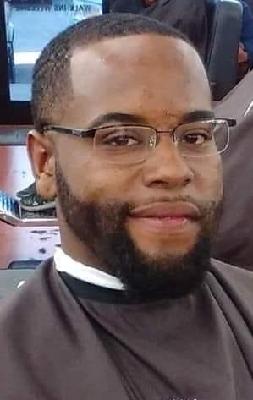
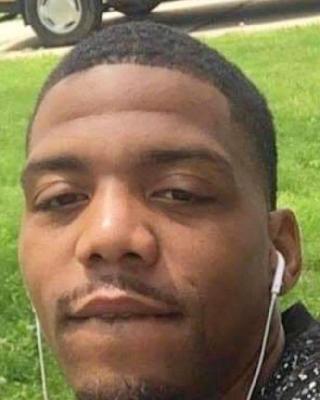
Daniel Rodriguez, a 19-year-old Hispanic male, tragically lost his life on February 1, 2017, in Chicago Heights, Illinois. The incident occurred during a gunfight inside a vehicle, which was reportedly set up under the guise of a marijuana sale. According to prosecutors, Troy Jefferson, a 20-year-old man from Dolton, Illinois, along with an accomplice, arranged to meet Rodriguez and two other young men in the 500 block of Emerald Avenue in Chicago Heights. Jefferson, who knew Rodriguez from grammar school, climbed into the backseat of the car with Rodriguez and announced a robbery, pulling out a handgun. The situation quickly escalated as the two men in the front seat also drew their weapons, leading to a chaotic exchange of gunfire inside the vehicle. Rodriguez was fatally shot in the chest, while another man in the car sustained a leg injury. Rodriguez and the wounded man were taken to St. James Hospital in Olympia Fields, where Rodriguez was pronounced dead.
The investigation into Rodriguez's death led to the arrest of Troy Jefferson on February 4, 2017. Jefferson was charged with first-degree murder, two counts of attempted murder, and three counts of attempted armed robbery. The surviving witnesses identified Jefferson as the shooter, and he was apprehended while hiding at a friend's house. During his court appearance, Jefferson's bail was set at $5 million, and he was scheduled to return to court later that month. The case was investigated by the Chicago Heights police and the South Suburban Major Crimes Task Force, highlighting the collaborative efforts of law enforcement agencies in addressing violent crimes in the area.
The tragic death of Daniel Rodriguez underscores the dangers associated with illegal activities and the devastating impact of gun violence on communities. The legal proceedings against Troy Jefferson aimed to bring justice for Rodriguez and his family, while also addressing the broader issue of crime in Chicago Heights. The case serves as a somber reminder of the need for continued efforts to combat violence and ensure the safety of residents in affected neighborhoods.