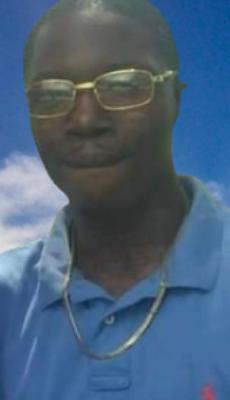
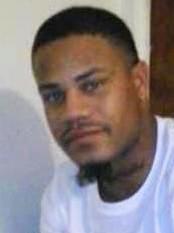
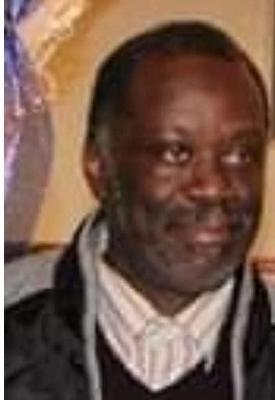
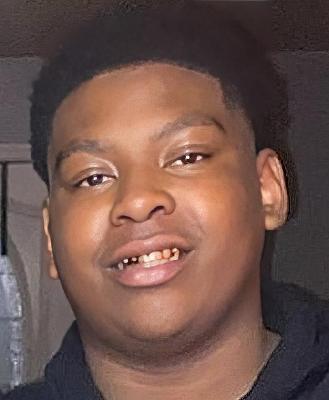
Wilbert Hall, a 39-year-old African American male, tragically lost his life on April 1, 2017, in East St. Louis, Illinois. His death was the result of a violent incident that has since been the subject of extensive investigations and legal proceedings. Hall's untimely demise has left a significant impact on the community, prompting a thorough examination of the circumstances surrounding his death.
On the night of April 1, 2017, Wilbert Hall was found with multiple gunshot wounds in a residential area of East St. Louis. The severity of his injuries led to his immediate death at the scene. The East St. Louis Police Department quickly launched an investigation to determine the motive and identify the perpetrators involved in this heinous act. Initial reports suggested that Hall's death might have been linked to ongoing gang-related activities in the area, although no concrete evidence was immediately available to support this theory.
As the investigation progressed, several suspects were identified and questioned by the authorities. Among them were individuals with known affiliations to local gangs, raising suspicions about a possible retaliatory attack. However, despite extensive efforts, the police faced significant challenges in gathering sufficient evidence to make any arrests. The lack of cooperation from potential witnesses further complicated the investigation, leaving many questions unanswered.
In the months following Hall's death, the case saw several developments. The police continued to pursue leads, and the community's call for justice grew louder. In a significant breakthrough, a suspect was eventually apprehended and charged with Hall's murder. The suspect, whose identity was not disclosed in the initial reports, was believed to have a direct connection to the crime. The arrest brought a glimmer of hope to Hall's family and friends, who had been seeking closure since the tragic incident.
The legal proceedings that followed were closely watched by the community. The prosecution presented a compelling case, detailing the events leading up to Hall's death and the suspect's alleged involvement. Witness testimonies and forensic evidence played crucial roles in building the case against the accused. Despite the challenges, the trial concluded with a conviction, bringing some measure of justice to Wilbert Hall's family.
Throughout the investigation and trial, the community of East St. Louis remained deeply affected by Hall's death. His passing highlighted the broader issues of violence and crime in the area, prompting calls for increased efforts to address these problems. Hall's legacy continues to be remembered by those who knew him, and his story serves as a stark reminder of the need for ongoing vigilance and community support in the fight against violence.