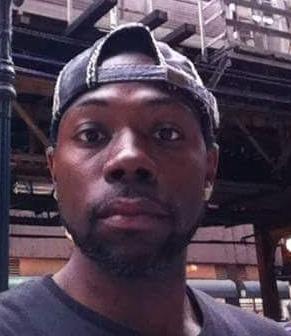
Isaac Hughes-Allen, a 32-year-old African American male, was found dead on September 12, 2017, in Chicago, IL. His death was the result of a fatal gunshot wound, which authorities quickly classified as a homicide. The incident occurred in a neighborhood known for its high crime rates, adding to the urgency and complexity of the investigation.
In the immediate aftermath of Isaac Hughes-Allen's death, the Chicago Police Department launched an extensive investigation to identify and
apprehend the perpetrator(s). Witnesses reported hearing gunshots and seeing a vehicle speeding away from the scene. Despite these leads, the investigation faced significant challenges due to a lack of cooperation from potential witnesses, a common issue in areas plagued by violence and distrust of law enforcement.
As the investigation progressed, several suspects were identified, but concrete evidence was hard to come by. The police conducted numerous interviews and followed up on various tips, but the case remained unsolved for several months. During this period, the community held vigils and marches, calling for justice for Isaac Hughes-Allen and highlighting the broader issue of gun violence in Chicago.
In a breakthrough moment, a suspect was eventually arrested in connection with the murder of Isaac Hughes-Allen. The individual, whose identity was not immediately disclosed, was charged with first-degree murder. The arrest brought a sense of relief to Isaac's family and the community, although the legal proceedings were expected to be lengthy and complex.
The trial of the accused brought to light several critical aspects of the case. Prosecutors presented evidence linking the suspect to the crime scene, including forensic evidence and witness testimonies. The defense, however, argued that the evidence was circumstantial and questioned the reliability of the witnesses. The trial garnered significant media attention, reflecting the high stakes and public interest in the outcome.
Throughout the legal process, Isaac Hughes-Allen's family remained vocal, advocating for justice and supporting initiatives aimed at reducing gun violence in Chicago. The case also prompted discussions about the systemic issues contributing to such tragedies, including poverty, lack of educational opportunities, and inadequate community resources.
Ultimately, the court found the suspect guilty of the murder of Isaac Hughes-Allen. The conviction was seen as a victory for justice, but it also underscored the ongoing challenges in addressing the root causes of violence in urban areas. Isaac Hughes-Allen's death and the subsequent legal proceedings highlighted the need for comprehensive strategies to prevent such incidents and support affected communities.