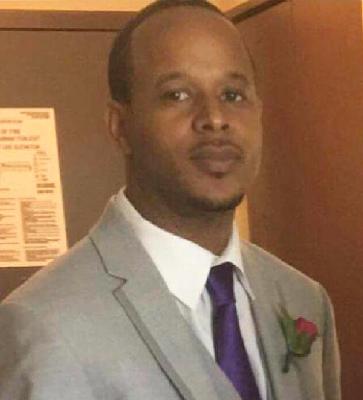
Adolphus "Dolph" Ford, a 20-year-old African American male, tragically lost his life on March 1, 2018, in Chicago, IL. Ford's death was the result of a fatal shooting, which occurred in a neighborhood plagued by violence. The incident took place in the early evening, and Ford was pronounced dead at the scene. The circumstances surrounding his death were immediately treated as a homicide, prompting a thorough investigation by local law enforcement.
In the aftermath of Ford's death, the
Chicago Police Department launched an extensive investigation to identify and apprehend those responsible. Witnesses reported hearing multiple gunshots and seeing a vehicle speeding away from the scene. Despite these leads, the investigation faced significant challenges, including a lack of cooperation from potential witnesses, which is a common issue in areas with high crime rates.
As the investigation progressed, several suspects were identified, but concrete evidence was hard to come by. The police conducted numerous interviews and reviewed surveillance footage from nearby cameras. However, the case remained unsolved for several months, causing frustration and fear within the community. The lack of progress in the investigation led to public outcry and calls for increased police presence and community engagement to address the underlying issues of violence.
In a breakthrough moment, an arrest was finally made in connection with Ford's murder. A suspect, whose identity was not immediately released, was taken into custody based on new evidence that emerged from a tip provided to the police. The suspect, also an African American male, was charged with first-degree murder and several related offenses. The arrest brought a sense of relief to Ford's family and the community, although the legal process was just beginning.
The case against the suspect moved forward, with prosecutors presenting evidence that included witness testimonies, forensic analysis, and surveillance footage. The trial was closely followed by the local media, highlighting the broader issues of gun violence and the challenges faced by law enforcement in solving such crimes. Throughout the trial, Ford's family remained vocal, advocating for justice and greater efforts to prevent similar tragedies in the future.
Ultimately, the suspect was found guilty of the murder of Adolphus "Dolph" Ford. The conviction provided a measure of closure for Ford's family, but it also underscored the ongoing struggle against violence in Chicago. The case served as a stark reminder of the impact of gun violence on young lives and the importance of community cooperation in solving and preventing such crimes.