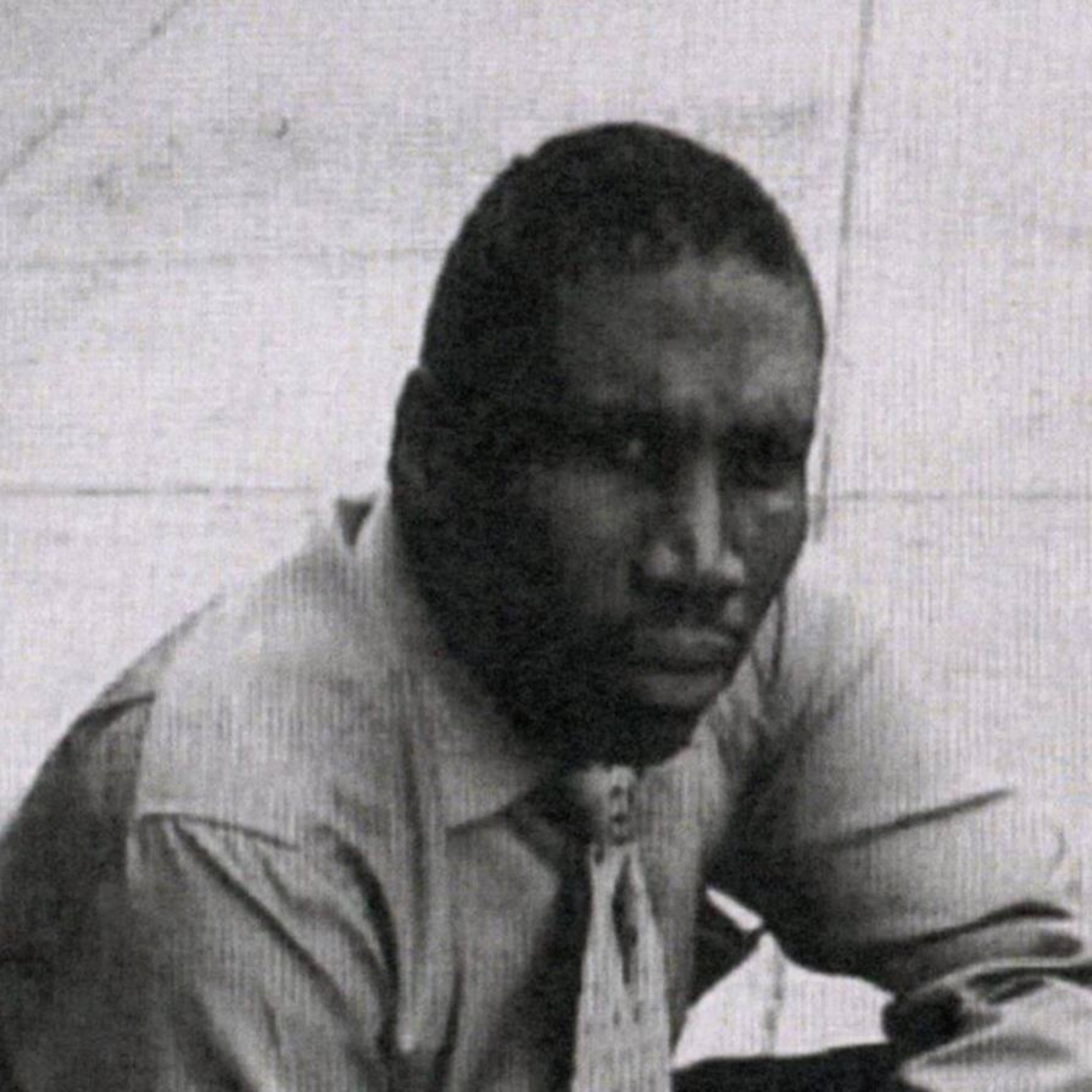
In the spring of 2007, a wave of violence was crashing over the city of Baltimore, a grim reality that would soon personally touch the life of one of its residents. Todd Little, a 29-year-old African-American man, was navigating his life amidst this turbulent environment. On the night of May 12th, his story would come to a sudden and violent end in the 2300 block of Druid Hill Avenue, a neighborhood already bearing the heavy scars of socio-economic challenges and persistent crime.
Gunshots shattered the night, and when the echoes faded, Todd Little was found fatally wounded.
The investigation into his death was immediately hampered by the very issues that plagued the city at the time. In 2007, Baltimore was grappling with one of the highest murder rates in the nation, and the city's police department found its resources stretched thin. Detectives working on Todd Little's case, like many others during that period, faced a wall of silence. The distrust between the community and law enforcement made it exceedingly difficult to gather the necessary evidence and witness testimony to move the investigation forward. The specific circumstances leading up to the shooting remained elusive, and a clear suspect or motive failed to materialize.
Years have passed since that fatal night on Druid Hill Avenue, yet the murder of Todd Little remains an open and unsolved case. His death is a stark reminder of the dozens of other unsolved homicides from that violent year in Baltimore's history. For his family and friends, the lack of answers and the absence of justice have left a wound that cannot fully heal. The case stands as a testament to the broader systemic issues of violence, poverty, and the challenging path to building trust between a community and those sworn to protect it. To this day, no arrests have been made, and no suspects have been publicly identified in connection with his death.