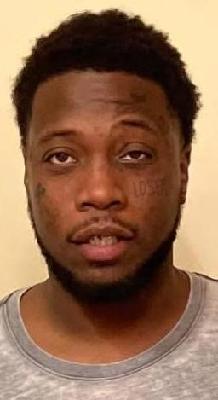
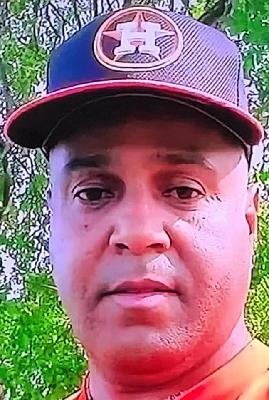
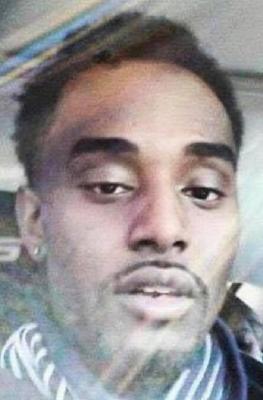
Victor Ochoa, a 38-year-old Latino male, was tragically killed on June 17, 2019, in Chicago, Illinois. The incident occurred in the Lakeview neighborhood, a bustling area known for its retail, restaurant, and residential spaces. On that fateful night, Ochoa was involved in an altercation while driving a Chevy Tahoe. The confrontation began with a group of individuals in a Dodge Magnum around 2:30 a.m. near the intersection of Belmont and Sheffield.
The situation escalated as both vehicles sped south, with the Dodge Magnum chasing the Tahoe. As they reached the 2900 block of North Broadway, someone in the Magnum fired shots at the Tahoe, striking Ochoa in the head and shoulder. Despite being rushed to St. Joseph’s Hospital, Ochoa succumbed to his injuries.
The investigation into Victor Ochoa's death revealed that he was a member of the Latin Kings gang. The altercation and subsequent shooting were captured on Chicago Police Department surveillance cameras, which provided crucial evidence. The driver of Ochoa's vehicle, however, was uncooperative with the police at the hospital, complicating the investigation. Shell casings were found along Broadway, marking the path of the chase and shooting.
Federal prosecutors later charged three men with Ochoa's murder: Cameron Callison, 24, Juan Alcaraz, 23, and Victor Ramirez, 24. These individuals were members of the Ambrose street gang, a criminal organization involved in violence and narcotics trafficking. The charges included murder in aid of racketeering, a serious offense that carries a mandatory life sentence and the possibility of the death penalty. Callison also faced an additional charge for illegal possession of a handgun. The indictment accused the trio of killing Ochoa to maintain and increase their positions within the gang. All three men had significant criminal histories and were arrested separately for firearms violations in the weeks following the murder.
The case against Callison, Alcaraz, and Ramirez was built on the premise that the murder was a calculated move to boost their standing in the Ambrose gang. The federal racketeering charges underscored the organized nature of the crime and the ongoing efforts to curb gang-related violence in Chicago. The defendants were scheduled to appear in federal court, where the U.S. Attorney's Office sought their detention pending trial. The legal proceedings highlighted the broader issue of gang violence and the federal government's commitment to addressing it through stringent legal measures.