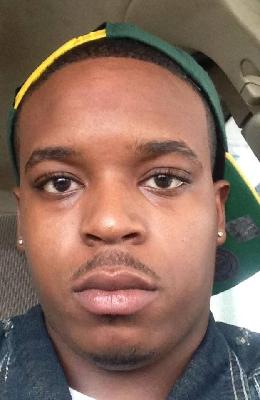
Raymont A. Hicks, a 31-year-old African American male, tragically lost his life on July 12, 2019, in Chicago, Illinois. He was found unresponsive in an alley in the Chatham neighborhood, located on the South Side of Chicago. Hicks had sustained multiple gunshot wounds to his head and chest, which ultimately led to his death. The incident occurred in the 100 block of East 87th Street, a location known for its high crime rates and frequent violence.
The investigation into Raymont A.
Hicks' murder revealed that he was shot and killed in what appeared to be a targeted attack. First responders arrived at the scene shortly after the shooting and found Hicks lying in the alley. Despite their efforts, he was pronounced dead at the scene. The Chicago Police Department launched an investigation to identify the perpetrators and uncover the motive behind the killing.
As the investigation progressed, the police gathered evidence and interviewed witnesses in the area. However, no immediate arrests were made, and the case remained unsolved for some time. The lack of cooperation from potential witnesses and the community's fear of retaliation hindered the progress of the investigation. Despite these challenges, the police continued to pursue leads and gather information to bring the perpetrators to justice.
In the months following the murder, the case of Raymont A. Hicks received attention from local media and community organizations. Efforts were made to raise awareness about the incident and encourage anyone with information to come forward. The Chicago Police Department also increased patrols in the Chatham neighborhood to address the ongoing violence and improve community relations.
As of now, there have been no significant updates regarding arrests or suspects in the murder of Raymont A. Hicks. The case remains open, and the police continue to seek information that could lead to the identification and apprehension of those responsible for his death. The tragic loss of Raymont A. Hicks serves as a stark reminder of the ongoing issues of gun violence and crime in Chicago, and the need for continued efforts to address these challenges and bring justice to the victims and their families.