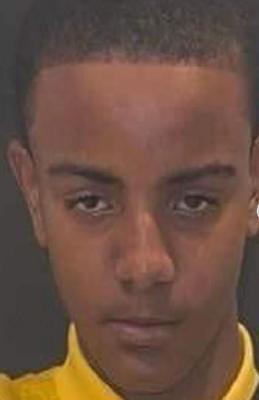
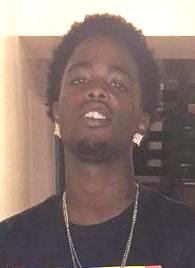
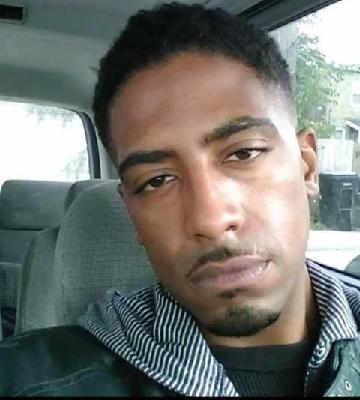
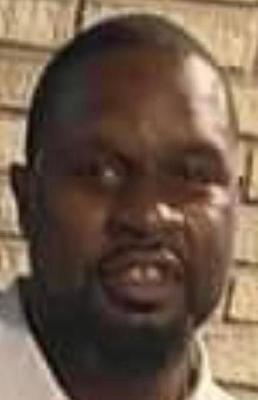
Kentray Young, a 26-year-old African American man known in the music world as the rapper Tray Savage, spent the morning of June 19, 2020, in the familiar streets of Chicago's Chatham neighborhood, not far from where he lived. He had built a name for himself as part of Chief Keef's Glo Gang collective, releasing his own music and appearing on songs that carried the sound of Chicago's South Side far beyond the city limits.
That Friday late morning, he was behind the wheel of his blue 2019 Hyundai Kona, having just dropped off his girlfriend on the 8100 block of South Evans Avenue, moving through a neighborhood that had shaped both his life and his career.
As he pulled away, another vehicle — described by witnesses as a white SUV, possibly a Mazda — appeared and maneuvered into his path. In that sudden tightening of the street, routine gave way to ambush. A man got out of the SUV and approached the Hyundai. In an instant, the quiet of late morning was shattered by gunfire. Shots tore into the driver's side, striking Young in the neck and shoulder. Even as he was gravely wounded, he tried to keep control of the car, but the Kona lurched forward out of his hands, slamming into three other vehicles and coming to rest partially lifted off the ground, a violent end to an ordinary errand.
His girlfriend, realizing something terrible had happened, ran back toward the chaos. She reached the crashed Kona and pulled him from the driver's seat as neighbors and passersby took in the scene — a wrecked car, shell casings on the pavement, and the rapper so many knew from videos and local legend lying critically wounded. Emergency responders rushed Young to the University of Chicago Medical Center, but the damage from the gunshots was too severe. Not long after, doctors pronounced him dead, and the Cook County medical examiner's office ruled his death a homicide caused by the gunshot wounds.
In the days that followed, the mourning stretched from his family circle to fans around the country. Obituaries and memorial pages remembered him as a loving father who “lived for his kids,” a young man who had grown up in difficult surroundings but managed to carve out a space in rap music, turning personal struggle into songs that resonated with listeners who recognized the streets he described. Tributes highlighted not only his collaborations with Chief Keef and his role in the Glo Gang roster, but also the quieter versions of him: a son, a friend, a father trying to provide for his children with the opportunities his music career had opened.
For months, the question of who had opened fire on that block in Chatham lingered. Early reports noted only the white SUV seen fleeing toward Cottage Grove Avenue and said that no one was in custody, even as detectives from Chicago's Area Two began piecing together video and witness statements. Surveillance footage eventually became crucial. Investigators reviewing video from the area identified a man with a distinctive limp captured walking before and after the shooting, and they connected that image to a suspect: Demitri Jackson, a former Chicago resident. The case followed him across state lines to Texas, where he was arrested in Fort Worth on a murder warrant tied directly to the killing of Kentray Young.
Once extradited back to Cook County, Jackson appeared before a judge to face charges in Young's death. Prosecutors laid out their version of the events, describing how the two vehicles had crossed paths more than once that morning and how Jackson allegedly used his SUV to block traffic before opening fire on the Hyundai. The seriousness of the accusations, along with the evidence prosecutors presented, led the judge to deny him bail, ensuring he would remain behind bars while the case moved through the courts. For Young's family, it was the first tangible sign that someone might be held responsible for the ambush that had taken his life.
Years later, the long arc of the case bent toward a measure of legal finality. In 2025, nearly five years after the shooting on South Evans Avenue, Jackson stood in court again, this time to enter a guilty plea to a single count of murder. The plea agreement called for a 29-year prison sentence, to be served in full, closing the criminal case that began with gunfire on a neighborhood street. News of the sentence echoed through the same community that had once followed Young's rise in rap and later lit candles in his memory, a reminder that the violence that ended his life had not gone unanswered, even if it could never restore what was lost on that June morning in Chicago.