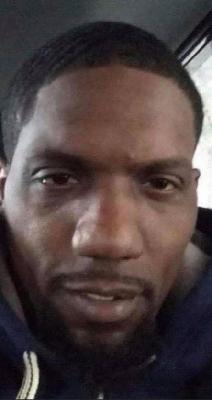
On the night of July 4, 2020, a day meant for celebration and togetherness, tragedy struck in Chicago's South Chicago neighborhood. Cartrell Tate, a 39-year-old man, became another victim of senseless gun violence that has gripped the city for years. What should have been a night of fireworks and family gatherings instead became a nightmare filled with flashing emergency lights, cries of anguish, and yet another life taken too soon.
At approximately 11:09 p.m., Tate was standing outside
in the 8300 block of South Kingston Avenue with three others when gunfire suddenly erupted. The chaotic moment that followed left all four men wounded. Tate was struck in the head, an injury that would prove fatal. He was rushed to the University of Chicago Medical Center, where doctors fought to save him, but the wounds were too severe. Despite their efforts, he was pronounced dead, leaving his loved ones in unimaginable grief.
The other victims, a 26-year-old man shot in the shoulder, a 60-year-old man wounded in the leg, and a 19-year-old also hit in the leg, managed to survive. Though they escaped with their lives, the emotional and physical scars left by that night would remain forever. They were not just statistics in another crime report—they were fathers, sons, brothers, and friends whose lives were changed in an instant.
Tate's death was part of a larger wave of bloodshed that engulfed Chicago during the Independence Day weekend. In total, nearly 80 people were shot, 15 of them fatally, making it one of the most violent holiday weekends in recent history. Among those who lost their lives were a 7-year-old girl and a 14-year-old boy, heartbreaking reminders that no one is truly safe from the violence that continues to plague the city.
Despite the widespread devastation, justice has remained elusive for Tate and his family. No arrests have been made, and the Chicago Police Department has yet to identify any suspects or persons of interest in the case. The lack of answers only deepens the sorrow of those who knew him, leaving his family to mourn without closure and a community once again left to grapple with the harsh reality of life in a city where gunfire too often replaces the sound of laughter.
Tate was more than just a victim of a tragic shooting—he was a person with dreams, loved ones, and a future that was cruelly stolen. His name now joins a growing list of individuals lost to violence, a list that should never have to exist. The weight of his absence is felt by those who knew him, and his story serves as another painful reminder that something must change.
As the investigation continues, the hope remains that someone, somewhere, will come forward with the information needed to bring those responsible to justice. Until then, his family and friends are left with memories and a longing for the justice that so many grieving Chicago families are still waiting for. Tate deserved better. The city deserves better. And until that change comes, his story will be one of many that remind us of the urgency to end the violence that has taken too many lives, too soon.