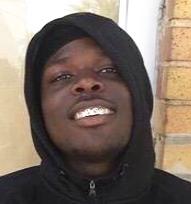
On a grim Friday in Baltimore, the life of Jamal Laquan Rogers, a 20-year-old African-American male, was cut short. On March 5, 2010, Rogers was discovered with fatal gunshot wounds in what authorities have described as a targeted attack. The incident unfolded in a neighborhood grappling with the persistent issue of crime and violence, a stark reality that contributed to the city's troubling homicide statistics at the time.
The precise circumstances that led to the shooting of Jamal Laquan Rogers remained shrouded in mystery as the initial investigation commenced. While details were scarce, law enforcement officials were confident that the act was not random. The city of Baltimore was in the throes of a violent period in 2010, and Rogers' death became another painful data point in the city's ongoing struggle with gun violence. Investigators immediately began their work, canvassing the area and seeking information, but were met with the challenging realities of Baltimore's criminal landscape, including the difficulty of finding cooperative witnesses and a lack of substantial leads.
In the immediate aftermath of the homicide, no arrests were made in connection with the killing of Jamal Laquan Rogers. His case, like many others from that year, became a testament to the broader struggle to quell the tide of violence plaguing the city's communities. The unsolved nature of his death left a painful void for his family and community, a poignant reminder of a life taken too soon and the elusive nature of justice in a city trying to overcome its cycle of violence. The case underscored a pressing need for more effective community engagement and intervention programs aimed at addressing the root causes of gun violence and fostering better cooperation between residents and law enforcement.