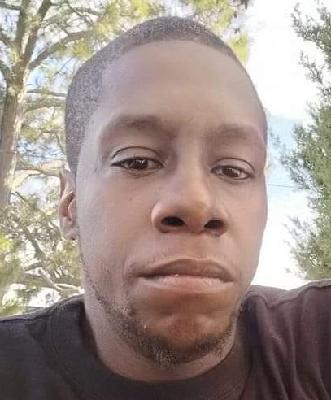
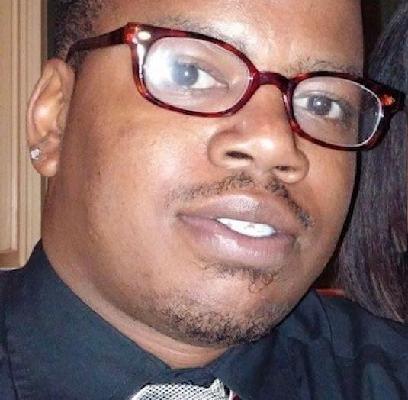
Amming Tyrek Harrison, 15, was a Black male from Laurinburg, North Carolina, and the violence that ended his life unfolded on the night of January 18, 2014, along Maple and Oak Streets. He was out walking with friends when, according to police, shots were fired from a white Lincoln into the group. Harrison was hit several times and collapsed in the street as the car sped away.
Another teenager who had been with him was also shot, but left the scene before officers later found him and got him to a hospital for treatment. Harrison was rushed to Scotland Memorial Hospital, where he died the following morning.
In the first hours after the shooting, the case carried the fear and confusion that often follows a drive-by attack. Investigators had a dying teenager, frightened witnesses, and a car description, but not yet the full picture of who had opened fire or why. Police said Harrison had been struck by multiple bullets, and the attack appeared to be deliberate rather than random. The fact that another boy was wounded beside him only deepened the sense that this was an ambush aimed at a group of young people caught in the open with nowhere to run.
As the investigation moved quickly, authorities announced that they had warrants for three suspects in Harrison’s killing. Public reporting later identified those suspects as Eddie Frank McLaurin III, Shaquille Juwan Deberry, and Johnny Devante Williams, all of Laurinburg. They were reported to have been charged not only with murder, but also with assault with a deadly weapon with intent to kill inflicting serious injury for the wounding of the second teenager. Additional charges reported in coverage included felony conspiracy and vandalism tied to damage caused during the shooting. The arrests shifted the case from a desperate search for a passing gunman to a prosecution centered on multiple accused participants, suggesting investigators believed the attack had been planned and carried out together rather than by one person acting alone.
Even with those arrests, the public record leaves parts of the story in shadow. Reporting from the time focused heavily on the suddenness of the attack, the youth of the victim, and the speed with which police named suspects, but far less on a clear motive. What remains most vivid is the scene itself: a teenager walking through his hometown on a winter night, a white car rolling into view, gunfire tearing through the dark, and a family forced into grief before the weekend was over. Harrison’s death became one of those cases where the brutality of the act was plain from the start, and where the names of the accused quickly entered the public record, but where the deeper reasons behind the shooting were never fully illuminated in the early reporting.