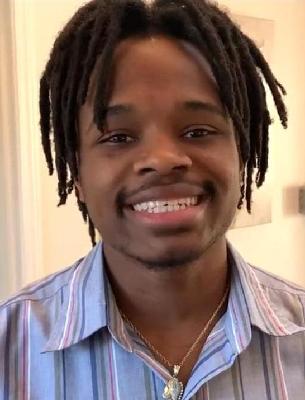
In the fading light of a November evening in 2014, tragedy shattered the peace of a home in southeast Atlanta. Inside, 19-year-old Joshua N. Barkley was visiting his father on Richmond Avenue when a knock came at the door. Two or three men stood on the threshold, and in a sudden hail of gunfire, the lives of those inside were irrevocably altered. When the chaos subsided, Joshua, an African American male, along with two other men, Ricky Whitlock, 51, and Marcus Gay, 43, lay dead.
Two other individuals were wounded but survived the brutal attack. The incident, which occurred on November 29, 2014, left a community in shock and a family grappling with an immense and sudden loss.
In the immediate aftermath, the Atlanta Police Department launched an investigation into the triple homicide. In 2015, authorities released composite sketches of two men they believed were responsible for the killings, hoping to generate leads from the public. Despite these efforts, the case grew cold. Years turned into a painful stretch of silence for Joshua's family, with no arrests made and no suspects publicly identified beyond the initial sketches. The lingering questions and the absence of justice weighed heavily on his mother, Lisa Barkley, and his sister, Kenyatta. They became vocal advocates, determined to keep Joshua's memory alive and to find those responsible for his death.
Driven by a relentless pursuit of justice, Joshua's family has worked to keep the case in the public eye through vigils and media appearances. In a bid to encourage someone to come forward with information, the family has contributed significantly to the reward offered by Crime Stoppers. The initial $2,000 reward was increased to $15,000, a testament to their unwavering hope that financial incentive might loosen tongues and finally bring a resolution to their years of suffering. The case of Joshua Barkley's murder remains unsolved, a cold case file that represents a family's enduring pain and their ongoing fight for answers and accountability.