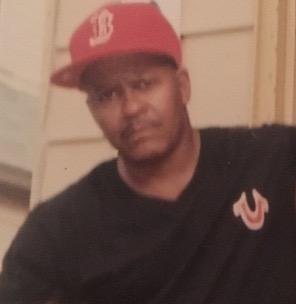
Emmanuel Thomas, a 21-year-old Black male, was killed in Baltimore on July 29, 2010, in the area listed as the 200 block of East Fayette Avenue.
In the thick, humid middle of that summer, the night ended the way too many Baltimore nights have ended: with a young man down, police flooding the scene, and a neighborhood left holding its breath. What could be pieced together from publicly available homicide listings is spare but stark—his name, his age, the date, and where the violence found him.
Afterward, detectives would have worked the familiar checklist—locking down the block, looking for witnesses who might have seen someone running or a car pulling away, knocking on doors, and chasing the thread of whatever had happened moments before he died. But beyond the basic entry, the public sources located for this synopsis did not provide narrative details about what led to the killing or what the immediate motive might have been.
The same limitation shows up when it comes to accountability. In the materials available online for this case, no suspect is named and no arrest, charging decision, trial, or conviction is documented alongside his entry. If an arrest was made later, it isn’t reflected in the accessible listing tied to his name and date.