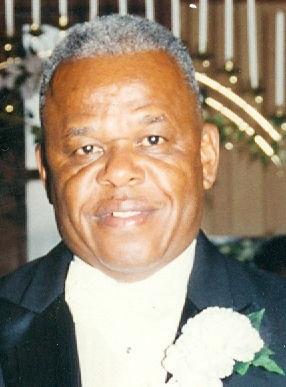
William Lewis Foreman, a 67-year-old Black man from Opelika, Alabama, was found dead on the morning of August 31, 2016, along Lee Road 401 in Lee County after a passerby spotted his body and called authorities. Investigators said he had been dead for hours by the time deputies reached him, and an autopsy later determined that he had been shot multiple times.
What made the scene even more haunting was what officers had already learned from the night before: Foreman's vehicle had been discovered burning at an apartment complex in Columbus, Georgia, shortly before his body was found. In the early public telling of the case, the pieces came together in grim fragments — a burned car in one place, a body on a roadside in another, and the growing realization that this was not a disappearance or an unexplained death, but a homicide.
Foreman was widely described in reporting as an Opelika taxi owner, and that detail gave the case a particularly personal weight in the community. He was not an unknown man pulled from the margins; he was someone people recognized, someone whose daily life put him in contact with neighbors, riders, and families across town. The image that emerged from those first reports was of a man who had gone out into an ordinary stretch of late summer and never returned, leaving investigators to reconstruct his final hours from the trail left behind. The finding of his burned vehicle suggested a killing that did not end with the shooting itself, but continued in an attempt to erase evidence and distance the crime from the victim.
As the investigation moved forward, authorities announced that two Opelika men had been charged in connection with the killing: Martez Anthony Simmons and Marquavious Tirrell Howard. Reports said the case involved robbery as well as murder, and the charges were later upgraded to capital murder. Accounts of the arrests indicated the men had already been in custody on related charges before a grand jury returned the more serious indictments. That shift in the case showed investigators believed Foreman had not simply been attacked, but had been killed in the course of a robbery, a detail that deepened the brutality of what had happened to him.
Later reporting on the case showed that at least one of the prosecutions ended in a conviction. Marquavious Howard was reported to have been convicted of robbing and killing Foreman after a capital murder trial in Lee County. Publicly available coverage is clearer about Howard's conviction than about the final outcome for Simmons, but the open reporting consistently names both men as the suspects charged in the case. What remains most striking in the story is the path the case followed from its first terrible discovery: a body on a rural road, a torched vehicle across the state line, and then, over time, arrests, upgraded charges, and a courtroom reckoning that tied the killing back to robbery and intent rather than chance or mystery.