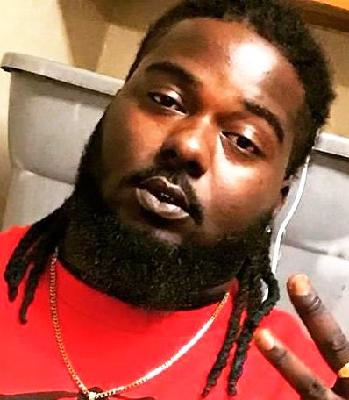
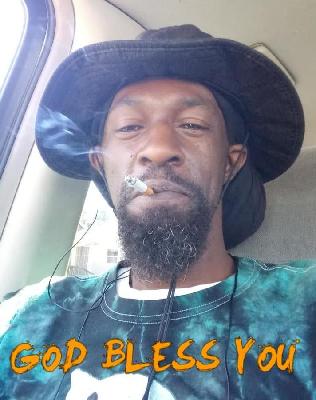
In the late summer of 2017, the life of James Francesconi, a 26-year-old man known to his friends as 'Cali Longway,' was cut short. On August 17, 2017, Francesconi was fatally shot in his home on Wickam Drive in Columbus, Georgia. He was rushed to the Midtown Medical Center, but succumbed to his injuries. The news of his death sent ripples of grief through his community, leaving friends and family to mourn the sudden and violent loss of a man they remembered for his contagious smile and
generous spirit.
The investigation into Francesconi's death led authorities to a suspect, Clayton Perry, Jr. Perry was subsequently arrested and faced serious charges, including malice and felony murder, in connection with the shooting. As the case moved through the legal system, a preliminary hearing in December of 2018 offered a glimpse into the complexities of the prosecution's case and the defense's strategy. Perry's defense attorney asserted that his client was at home, caring for his ailing great-grandmother at the time the fatal shots were fired.
The prosecution, however, painted a different picture, suggesting a possible motive of robbery, hinting that Francesconi's alleged involvement with drugs and money may have made him a target. The case took a significant turn when a potential key witness for the prosecution, Robert Furr, refused to testify against Perry during the trial. In a dramatic courtroom moment, Furr took the stand and the oath, but then remained silent in the face of questioning, leading the judge to declare him an unavailable witness.
Despite the initial arrest and the progression of the case to trial, the final disposition of the charges against Clayton Perry, Jr. remains unclear from available online sources. There are no readily accessible records detailing a conviction or acquittal in the murder of James Francesconi. The case is notable for the challenges faced by the prosecution, including the reluctance of a key witness to cooperate, and the conflicting narratives presented by the defense and prosecution. The lack of a clear resolution leaves the story of James Francesconi's death without a final chapter, and the question of legal accountability for his killing unanswered in the public record.