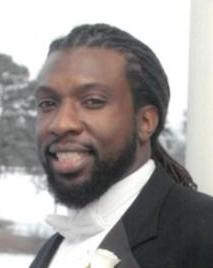
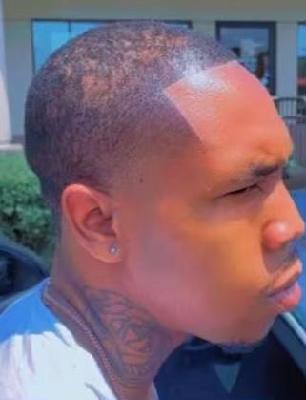
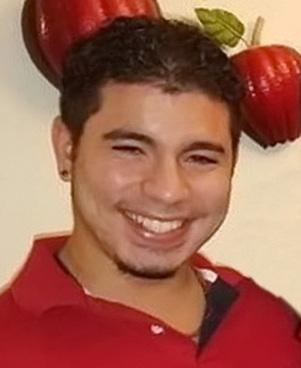
Quincy Timothy Benjamin, a 47-year-old Black man, died from gun violence in Atlanta on September 19, 2020, and the picture that emerges from online memorials and public reporting is of a man whose life had become closely tied to family, faith, and the work he built with his own hands. He was remembered as “Big Q,” a barber and business owner whose shop was part of his identity and whose name carried weight with the people who knew him.
His obituary says he was born in Philadelphia on September 25, 1972, later moved to Winnsboro, South Carolina, attended Benedict College, and eventually made his way to metro Atlanta, where he rebuilt his life through business.
By the time of his death, Benjamin was described as the owner of Q’s Barbershop, and online memorial pages tied him to the Washington Road area and to the everyday rhythm of community life that gathers around a barber chair. Those same memorials describe him in affectionate, personal terms, as a big teddy bear, a father, and a man who was deeply missed. His obituary adds that he married Evangelist Xavier Lewis in 2010, that the two were inseparable, and that they pursued ventures together, including a trucking business called Big Ben. Read together, the accounts give the sense of a man who was not only known, but rooted, someone whose death landed hard because so many people had watched him build himself back up.
The public record available online about the killing itself is thin. Multiple online sources confirm that Benjamin was lost to gun violence in Atlanta on September 19, 2020, but the case does not appear to have generated the kind of detailed public news coverage that laid out the full circumstances of the shooting in the way some other Atlanta homicide cases did. No reliable online source I found publicly identified a suspect by name, described an arrest, or reported charges, a trial, or a conviction tied specifically to Benjamin’s death. In that silence, the case reads less like a neatly closed file and more like a life abruptly cut off, with the man himself far more visible online than the person who killed him.
What remains most visible is the contrast between the sparse public trail of the investigation and the fuller record of who Benjamin was. The internet preserves fragments of the official story, the date, the city, the fact of gun violence, but it preserves something richer in the memories left behind: a husband, father, barber, businessman, and familiar presence whose loss was felt well beyond a single headline. Even without publicly available details on an arrest or suspect, the story that survives online is still unmistakable. Quincy Benjamin was a man with history, ambition, and people who loved him, and his death on that September day in Atlanta left a hole that those memorial pages still try to fill.