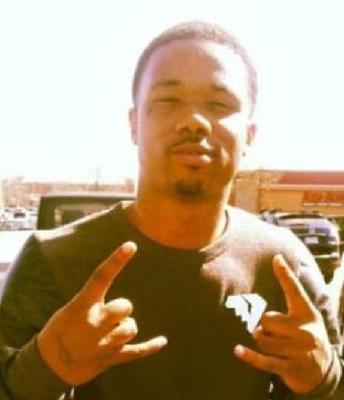
Lovell Spencer was 19, male, and Black, and on the night of August 21, 2012, his life in Baltimore ended suddenly in the kind of street violence that leaves a neighborhood quiet afterward, as if everyone is listening for what comes next. He had been born in the city on September 19, 1992, raised through the Baltimore City school system, and worked at the Baltimore City Aquatic Center as a lifeguard, spending his days around water and motion, in a place meant for safety.
That late-summer evening, near the 1700 block of Cole Street, a surveillance camera captured the moment that changed everything. In the grainy distance, a man crossed the street and walked toward Lovell. Seconds later, gunfire flashed in quick bursts. Lovell ran, trying to put space between himself and the shots, but he didn’t get far. Within about fifty minutes, he was pronounced dead at Shock Trauma, and the video—cold, indisputable, and still incomplete—was turned over to investigators.
In the weeks that followed, the case carried the frustrating weight of evidence without a name. The camera showed the approach, the sudden violence, and the desperate sprint, yet the person behind the gun remained unidentified in public reporting at the time, a figure moving through the frame and then back into the city’s darkness. A FOX45 report months later described the killing as caught on camera but still without an arrest, and pointed to the familiar obstacle: solving a murder can depend on witnesses willing to speak and the kind of “human intelligence” that doesn’t appear on any recording.
Publicly available sources tied to Lovell’s death do not describe any announced suspect, arrest, or filed charges connected to his killing in that period, leaving the story suspended between what was seen and what could be proven. What remains most vivid is the contrast—between a young man who guarded swimmers for a living and the brief, irreversible sequence caught by a fixed camera on Cole Street, where the final answers never arrived alongside the footage.