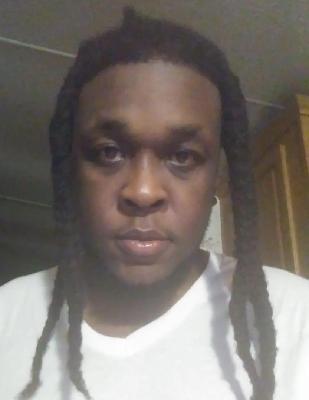
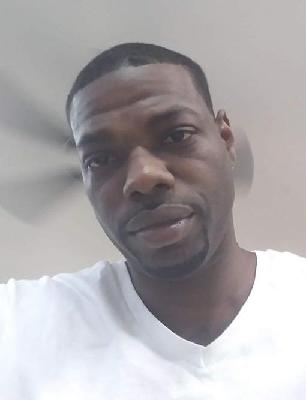
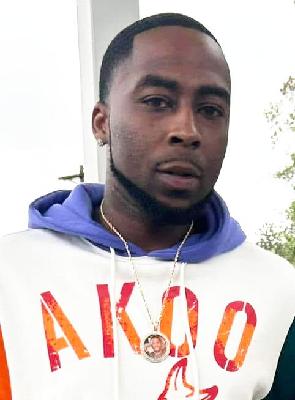
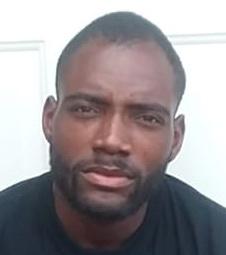
Murray Scott, a 27-year-old Black male, was killed on July 11, 2021, in Albany, Georgia, after a burst of gunfire tore through the night and left him mortally wounded. Publicly available reports indicate he was shot multiple times and was taken to Phoebe Putney Memorial Hospital, where he later died from his injuries. His death was not an isolated act of violence inside an empty street scene; another man, identified in later reporting as Telvin Scott, was also wounded in the same shooting, suffering a gunshot injury to the wrist. The killing unfolded in the Willow Street area, and the aftermath left family, friends, and the wider Albany community trying to make sense of a life cut short in a sudden, violent moment.
What emerges from the online record is the outline of a grim sequence: gunfire, a rushed trip to the hospital, and then the confirmation that Murray Scott would not survive. His obituary and memorial listings preserve the human side of the case, showing that he was remembered not simply as a homicide victim but as a son, relative, and loved one whose death sent ripples through the people who knew him. Those memorial traces sit beside the harder facts of the case, the ones that local crime reporting captured in the immediate aftermath, when Albany police were still trying to lock down what had happened and who was responsible.
As for the investigation, the clearest public indication of progress is that local reporting tied to the case stated that a man was arrested in connection with the Sunday Albany homicide shortly after the shooting. At the same time, the surviving search-accessible public material reviewed here does not clearly preserve the arrestee’s name, the exact charges announced in that early report, or a later public trail showing whether the case moved to indictment, trial, or conviction. In other words, there is evidence that police announced an arrest, but the online sources readily accessible now do not provide a complete, dependable account of the suspect’s identity or the final court outcome.
That leaves Murray Scott’s case suspended in the public record between the immediacy of the killing and the fragmentary nature of what remains easily searchable years later. The broad facts are consistent: he was fatally shot in Albany on July 11, 2021; another person was injured in the same episode; and police reporting at the time pointed to at least one arrest. But beyond that, the surviving online trail grows thinner, and the story becomes less about a neatly documented resolution than about a young man whose death was recorded in flashes, police updates, memorial notices, and the lingering absence those pieces can only partly describe.