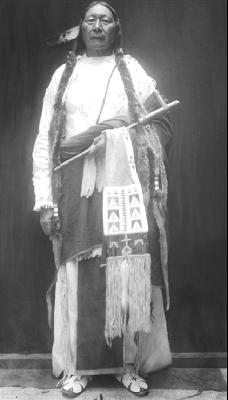
Grey Beard, a Southern Cheyenne medicine man and chief, met his demise on January 1, 1875, in Baldwin, Florida. His death was a direct result of the tumultuous period following the Red River War, a conflict between the United States and several Native American tribes, including the Southern Cheyenne. Grey Beard was among the Native American leaders captured and transported as prisoners of war to Fort Marion in Florida. His capture was part of a broader effort by the U.S.
government to suppress Native American resistance and enforce relocation policies.
During his incarceration, Grey Beard attempted to escape, driven by a deep-seated fear that he and his fellow prisoners would be executed by their captors. This fear was not unfounded, as the treatment of Native American prisoners during this period was often harsh and inhumane. In a desperate bid for freedom, Grey Beard was shot and killed while trying to flee. His body was subsequently left in Baldwin, Florida, where he was later interred.
The circumstances surrounding Grey Beard's death did not lead to any arrests or formal investigations, as his killing was deemed a justified act by the authorities at the time. The broader context of his death was rooted in the U.S. government's efforts to quell Native American resistance and enforce policies of relocation and assimilation. Grey Beard's death, along with the deaths of other Native American leaders during this period, highlights the brutal realities of the U.S. government's campaign against Native American tribes in the late 19th century.
There were no significant litigations or legal cases directly related to Grey Beard's death. The lack of legal recourse for Native Americans during this period meant that incidents like Grey Beard's killing were rarely, if ever, subject to judicial scrutiny. The broader historical narrative of Grey Beard's life and death is a testament to the resilience and resistance of Native American leaders in the face of overwhelming odds and systemic oppression.