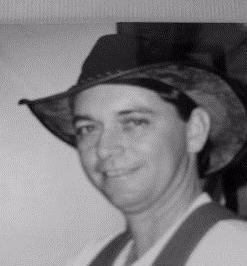
Federal Prohibition Agent Franklin R. Patterson, a 34-year-old white male, was tragically killed on January 18, 1930, in West Palm Beach, Florida. Patterson, along with fellow agents Robert Knox Moncure, James Kugler, and William MacNulty, was executing a federal search warrant for illicit liquor at the home of George Moore. The agents were part of a broader effort to enforce Prohibition laws, which were in effect at the time.
Patterson and MacNulty were positioned at the rear of the house while Moncure and Kugler approached the front door. When Moore was informed of the search warrant, he retreated into the house and a shotgun blast through the front door instantly killed Moncure. Patterson, hearing the gunfire, entered through the rear door and confronted Moore. During the ensuing exchange of gunfire, Patterson was severely wounded and succumbed to his injuries several hours later.
The incident led to a prolonged standoff between Moore and the remaining agents before Moore eventually surrendered. Moore was subsequently tried in state court for the murder of Agent Moncure but was acquitted by a local jury. However, he was indicted, tried, and convicted in federal court for the assault on Agent Patterson and received the maximum sentence of ten years in prison. This case highlights the dangers faced by law enforcement officers during the Prohibition era and the complexities of the legal system in dealing with such violent encounters. The death of Franklin R. Patterson underscores the ultimate sacrifice made by those enforcing the law during a tumultuous period in American history.